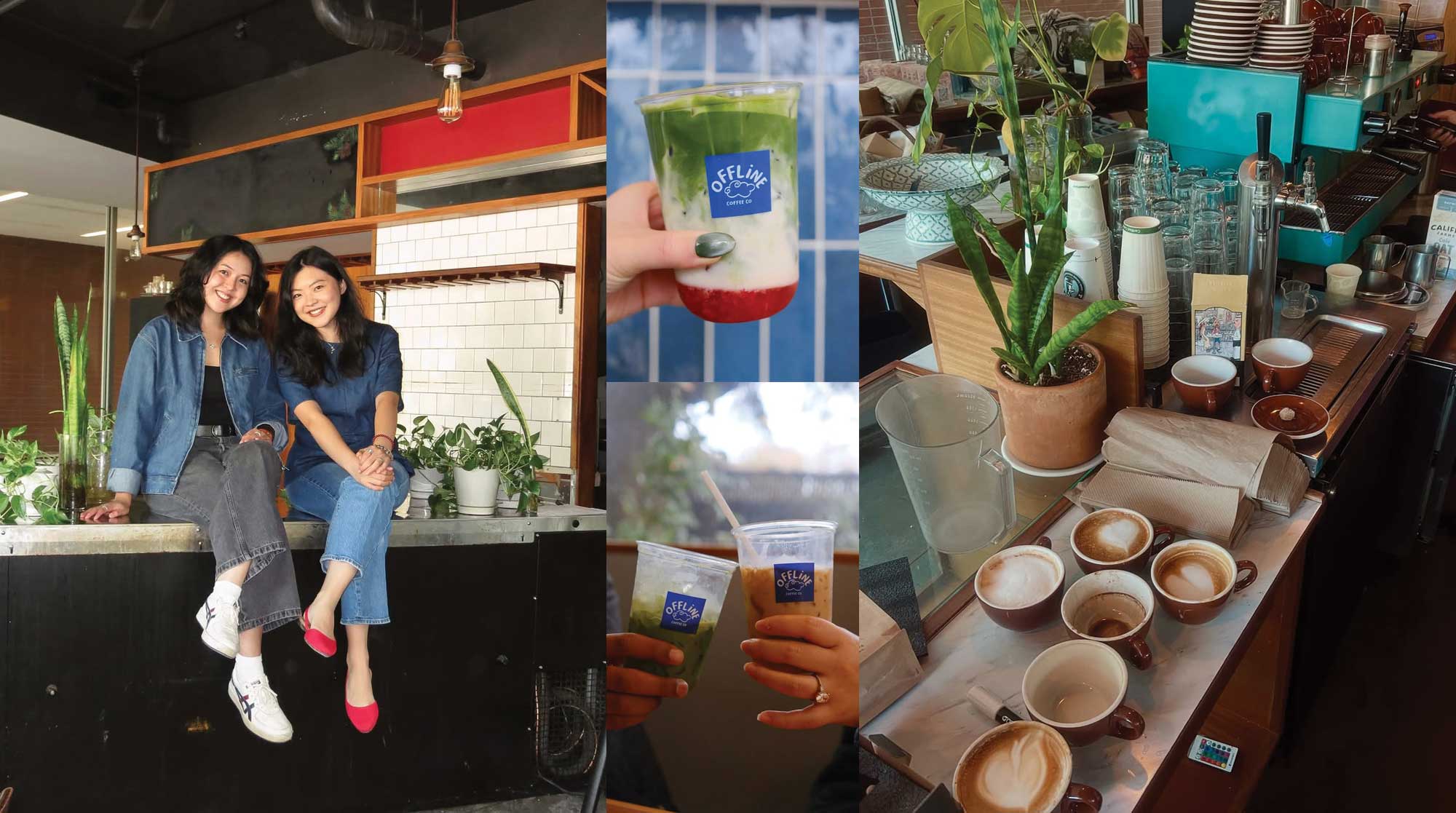
There are a slew of coffee shops in Seattle that are slinging coffee and culture, including Café Calaveras, Mintish Coffee House, and, most recently, Offline Coffee Co. This one draws inspiration from Chinese cafés, cozy third spaces and the desire to take things offline and into the real world.
Co-owners and co-managers Krystal Graylin, ’22, and Lucy Kong, ’23, invite you into Offline Coffee Co., a coffee shop that’s also their proverbial living room. Here, you’ll be greeted with drinks made with Chinese-inspired flavors, shelves stocked with pottery and local goods, an InCiardi mini print vending machine and plenty of seating to gather, take things offline and stay for a while.
I sat down with Graylin and Kong to learn more about the origin story of Offline Coffee Co., what prompted them to take the leap and start a business together and why it was important to share the process on social media.
This conversation has been edited for clarity and length.
Graylin: We would make coffee for ourselves and our friends, and then we each started hosting at-home cafés to celebrate things like my housewarming party or Lucy’s cat adoption. This planted the seed of opening a café, and we started touring potential places, got the keys to our current location and started building it out. Both of us had been thinking about entrepreneurship and had been involved in business programs, so this felt like a natural extension of that.
Kong: My mom has a medical degree and a nursing degree, and she’s always owned her own businesses. From a young age, she always pleaded with me not to take a corporate job and be managed by someone else. For a while, I disagreed with that and thought I would climb the corporate ladder before doing anything else. Now, I’m glad that I get to focus on building something for myself that I really care about.
Graylin: It felt risky because neither of us had owned a café before, and we were quitting our jobs to go all in. At the same time, being a product manager in tech wasn’t the dream I was pitched in college. On the flip side, I saw the potential to grow and have new experiences by running a café. We don’t have any dependents except for our cats, so we have the ability to prioritize what we’re passionate about.
Kong: There’s never going to be less competition than there is now, and the risk isn’t going to decrease since we’re only going to add more responsibilities over the course of our lives. Now feels like the best time to try something new.
“There's never going to be less competition than there is now. The risk isn't going to decrease. Now feels like the best time to try something new.”
Lucy Kong, '23
Graylin: Before we decided to quit our jobs and go all in on the café, we hosted a pitch night, presented our business plan to our friends, and invited them to give us feedback. A two-hour session quickly turned into five hours of them asking tough questions about everything from how to handle parking to the way we’d approach our finances. A lot of that discussion informed our decision-making.
Kong: We’ve also hosted research and development sessions as a form of user testing, and we got feedback on what worked well and what didn’t. They gave us insight into what the market wants and how we can differentiate ourselves from other places.
Graylin: We’ve met so many inspiring people who are starting restaurants and cafés through UW. The network and friendships we’ve built have been instrumental in helping us bring this café to life.
Graylin: You can usually see the owner behind the bar, and the owner often chooses a lot of the details and style. It feels like you’re going into their living room, so it’s very cozy and intimate. The menus are often smaller, and the space is also designed for you to come and stay for a while.
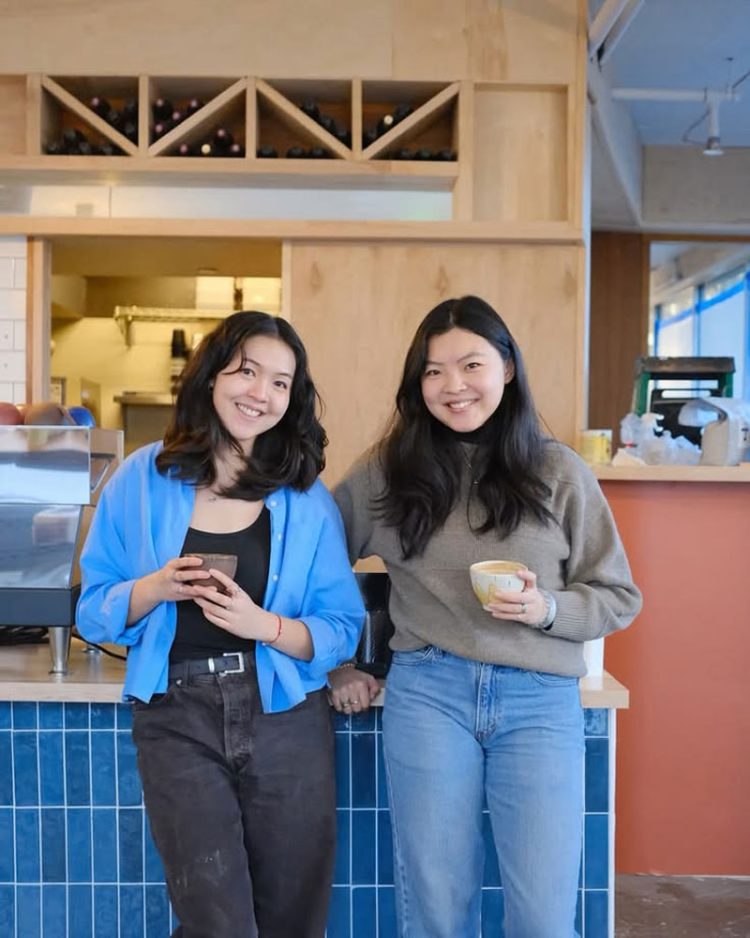
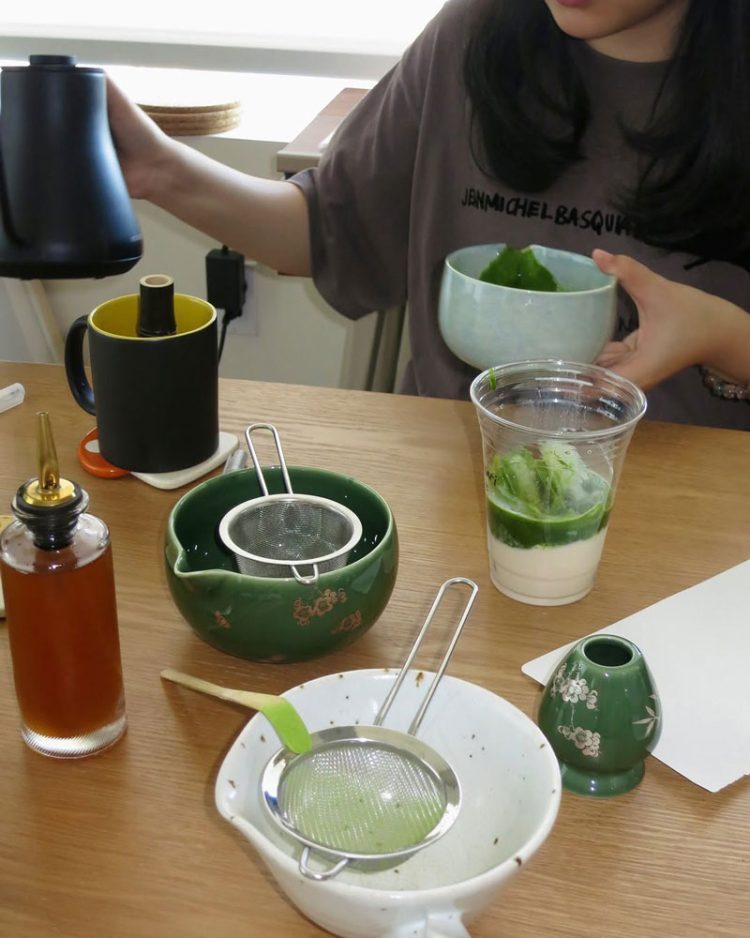
Kong: A lot of the motivation for starting the café came from seeing the contrast between cafés in China and Seattle. I spent half my life there, and being Chinese is an extremely important part of who I am.
Graylin: We want to share some of the flavors we ate growing up, many of which can be incorporated into drinks, like osmanthus and black sesame as well as citrus flavors like orange and Chinese sour plums.
Kong: We also want to create a community space where we can serve specialty drinks and good eats and host events, live music, and art. This will include partnering with small businesses through pop-ups and having shelf space reserved for pottery made by local artists.
Graylin: We hope that people feel at home and at ease. We want the space to feel like a warm and cozy living room that puts people at ease. A lot of our furniture is secondhand or refurbished, and we’re using lanterns for lighting, which makes the space more approachable.
Graylin: Before we quit our jobs, we’d watch a lot of behind-the-scenes videos of other cafés — it was like each café was hosting its own reality show. It’s also a gift to our future selves because we’ll be able to watch these videos in a year and see how much has changed. Making videos was a way to share the journey with our community, reach new people, and hold ourselves accountable. We know we’re not experts, but we can share what we’re figuring out as we go.
Kong: If there’s any business that you admire or are curious about, don’t hesitate to reach out to the owner and ask to chat. Even in a city where it can be hard to do business, we’ve found that people are willing to support each other by sharing their own experiences and resources.
Graylin: We didn’t quit our jobs right when we had the idea for Offline Coffee Co. It wasn’t until we signed the deal, got the keys, and worked on both for a little bit before making the jump. There are ways to mitigate the risk by doing as much planning and prep beforehand to ensure that you have a viable business in motion. If you’re lucky enough to have a friend or someone you trust who’s in it with you and timing that lines up, that’s extra special.
Graylin: Some people have asked me if I regret leaving my corporate job. There have been challenges, but we’ve been able to tackle everything we encountered and get help when we need it. I’m so much happier, and it’s been rewarding to work on something we really care about. I know that I’m going to grow so much from running this café, and I’ll get to meet so many people along the way.
Kong: We quit our jobs to go toward something, not run away from something. The most meaningful way I can spend time is with my grandparents. If I’m not with them, I want to be spending my time doing something that I’m proud of and makes me happy.
Visit Offline Coffee Co. in Capitol Hill (711 Bellevue Ave E Ste. 100) and follow along with their journey on Instagram and TikTok.
About the author: Aleenah Ansari (she/her) is equal parts storyteller, creative problem solver, and journalist at heart who’s rooted in the stories of people behind products, companies, and initiatives. She writes about travel, entrepreneurship, mental health and wellness, and representation in media for Insider, The Seattle Times, Byrdie, and more. You can usually find her searching for murals, reading a book by a BIPOC author, or planning her next trip to New York. You can learn more at her website.