Nicole McNichols turned her wildly popular psychology class on sexuality into a book
According to McNichols, sexual well-being is an essential part of overall health and can be linked to physical and psychological health benefits.
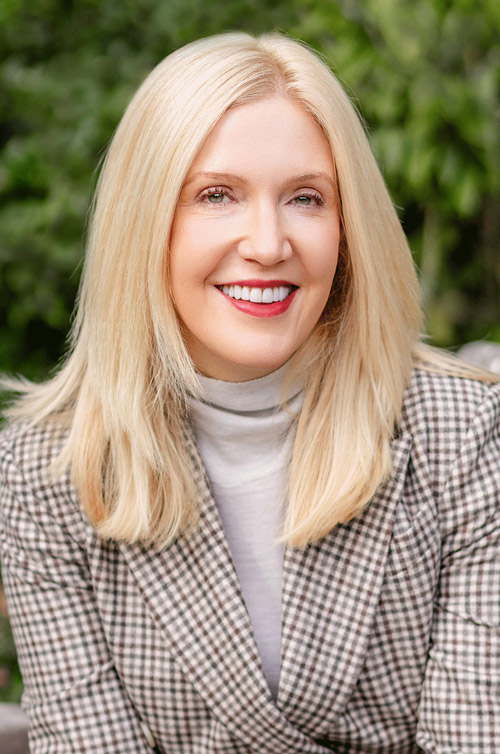
Nicole McNichols teaches the most popular course on campus: Psych 210—The Diversity of Human Sexuality.
Every quarter, hundreds of students pack into Kane Hall’s largest lecture room for a sex-positive, science-based course delivered with clarity and candor. Hundreds more attend the course online.
Altogether, more than 4,000 students take the course each year, many arriving with questions about their bodies, relationships and identities. Some have never had the courage or the language to ask them out loud. McNichols, who completed her UW Ph.D. in social psychology in 2009, has focused her teaching to meet the students’ curiosity with facts and compassion.
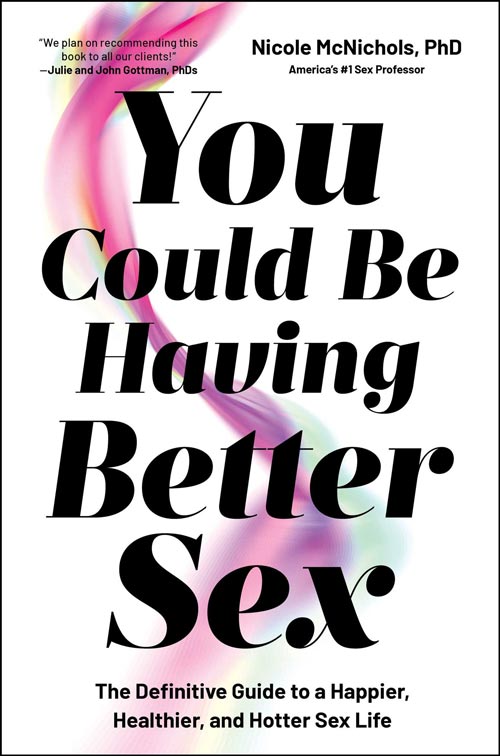
About 12 years ago, she took over the course from Professor Lois McDermott, expanding on the research-backed content McDermott taught to generations of UW students. Now the associate teaching professor of psychology has turned her expertise into a new book, “You Could Be Having Better Sex: The Definitive Guide to a Happier, Healthier, and Hotter Sex Life” (S&S/Simon Element, 2026).
“All of the topics in the book are tied directly to my course curriculum,” McNichols says. “But in a less academic way of explaining the very concepts and research that are the core content pillars of the class.”
The book is for all the people who can’t sit in her classroom but want to know what the research really says about bodies, relationships, kinks, fantasies and sexual identities, says McNichols. “I aimed to write it in a warm, fun, inviting, accessible way, where people feel inspired but also informed reading it.”
From the time of its release in February, the book has received positive reviews and national attention, with interviews on outlets such as CNN, NPR and The New York Times Modern Love podcast, as well as the Mel Robbins podcast.
Structured as both a guide and an invitation, the book draws on years of research and student questions. At its core is the “Hierarchy of Sexual Needs,” a framework that begins with foundational elements of understanding one’s body and cultivating presence and expands into communication, connection and exploration. Rather than prescribing a single model of intimacy, it encourages readers to discover what works for them.
Despite its growing reach, McNichols’ central message remains simple: sexual well-being is not a luxury. It is an essential part of overall health, deeply connected to emotional and physical vitality.
“We live in a culture where we assume sex is a treat—a dessert,” she says. “But sexual wellness is part of our overall well-being and should be part of our conversations about health span. Research shows it’s linked to immunity, improved cardiovascular outcomes and even protection against degenerative brain diseases. That doesn’t even begin to cover the psychological benefits of having a connected, healthy sexual experience.”