News and research from the University of Washington you should know about this fall
From bad breath to artificial intelligence, catch up on research and news from the UW this summer.
Research
UW research makes us healthier, safer and more prosperous. Learn what the UW’s research turned up this fall.
Shaping workplace behavior
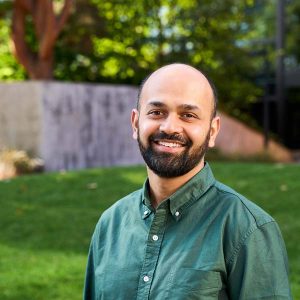
The increased public attention on racial injustice after the murder of George Floyd influenced how Black and white employees interacted at work, new UW research suggests. Researchers investigated how the Black Lives Matter movement affected cooperation between Black and white co-workers. “Employees do not leave the outside world at the door,” says co-author Abhinav Gupta, professor of management in the UW Foster School of Business. “When major societal events occur, people carry those emotions, anxieties and identities with them into the workplace.”
 Scripting science
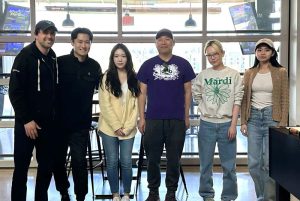
Students in the UW’s Prosocial Computing Group noticed that people were using generative artificial intelligence to make short science videos. The trouble was that these people weren’t scientists, which, given AI’s proclivity to be convincingly wrong, could accelerate the spread of misinformation. So the lab wondered how to enable scientists and other researchers to better adapt to platforms like TikTok. Those discussions led the team to build PaperTok, an AI tool that helps users turn research papers into 45-second videos.
 Bye bye, bad breath
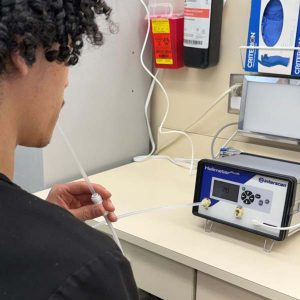
To rebalance the oral microbiome and cure chronic halitosis, UW researchers are embarking on a first-of-its-kind experiment. These clinical trials transplant bacteria and other minuscule critters from healthy donors into patients with halitosis. If successful, the healthy microbiota will crowd out the unhealthy and patients’ bad breath will improve. “What we’re trying to do is severely disrupt the original bacteria, and then we bring in the new guys to take hold and establish a new biofilm,” said co-lead Alex Pozhitkov, affiliate faculty member in the UW School of Dentistry.
 Using their bean
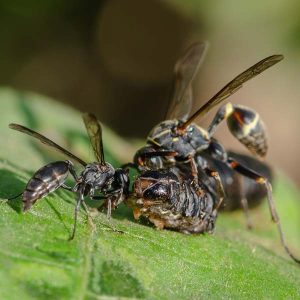
Plants may not appear aggressive, but they can still defend themselves while under attack. When caterpillars chomp the leaves of bean plants, these plants release gases that lure predatory wasps. The wasps prey on the caterpillars, saving the plants from further destruction. A UW-led team demonstrated that this defense strategy is run by a protein called INR (inceptin receptor). The researchers grew bean plants with naturally occurring mutations in the INR gene alongside plants with functional INR in an experimental field in Oaxaca, Mexico.
News
We’ve compiled summer highlights from UW News and beyond.
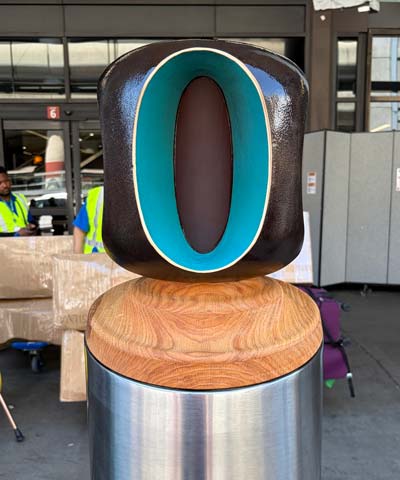
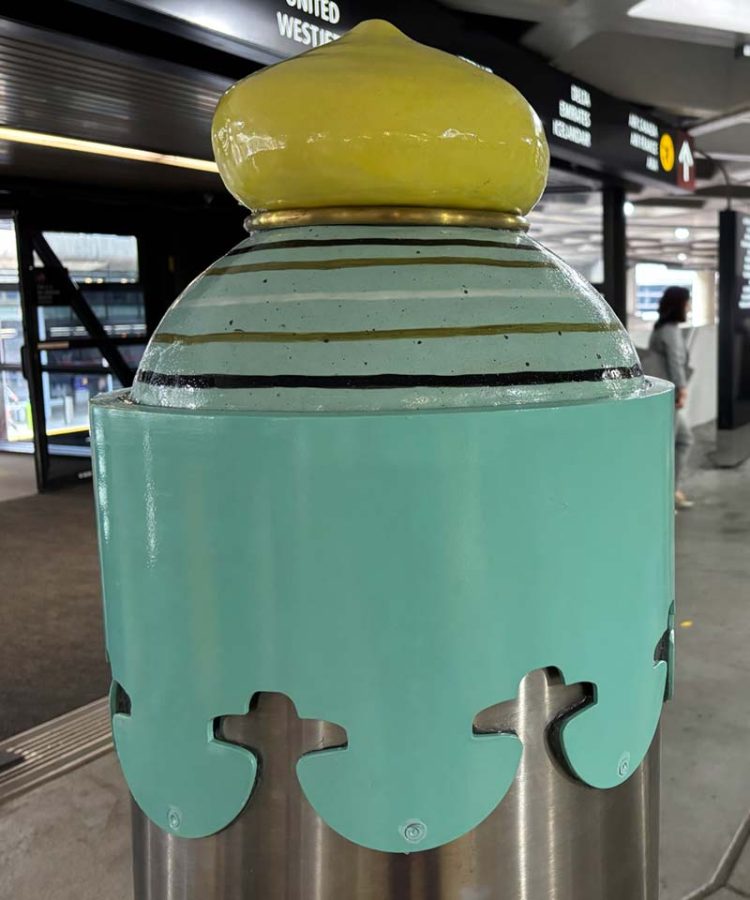
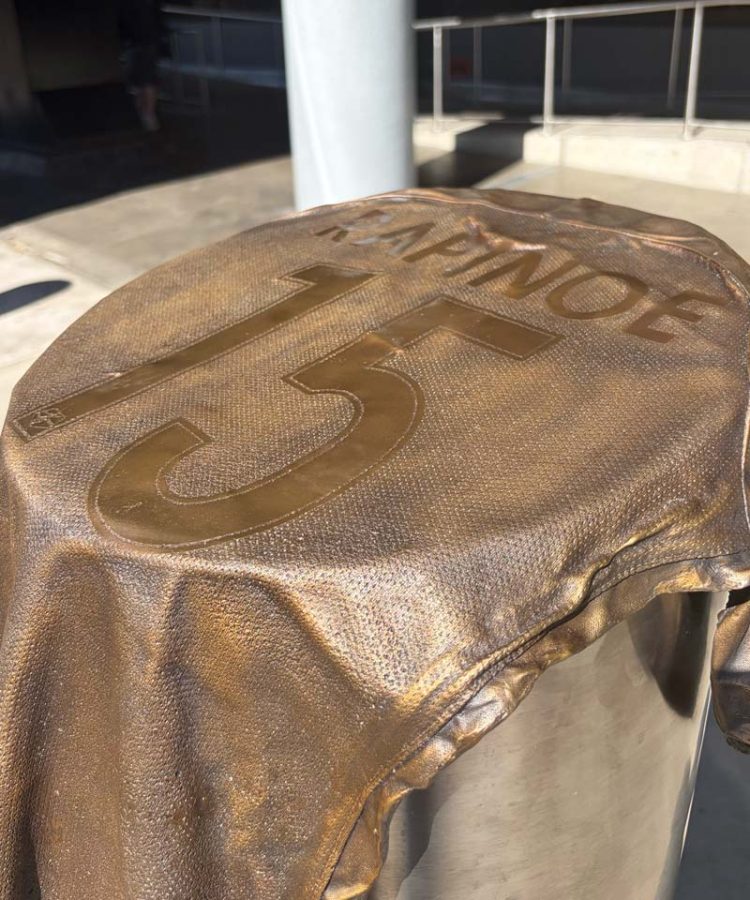
Sea-Tac unveils new artwork
Artwork by Saya Moriyasu, ’91, was installed at Sea-Tac Airport earlier this summer. Located in the Skybridge 2 parking garage, “Kokeshi-no-kai” features colorful glazed porcelain and clay shapes installed on top of six parking bollards. Moriyasu’s piece takes its main inspiration from Japanese kokeshi dolls dressed in summer kimono.
Located at arrivals doors 6 and 18, artwork by Henry Jackson-Spieker, assistant professor of art and Dale Chihuly Endowed Chair of Glass at the UW School of Art + Art History + Design, features several sculptures that depict abstract forms, including the cast bronze sculpture “Rapinoe #15.”
 Processing a definition
Over the past five years, the national conversation around health and nutrition has been dominated by the term “ultra-processed foods.” Since nobody can agree on how, exactly, to define ultra-processed foods, a panel of 14 nutrition, food science, policy and legal experts recently created a more practical and operational definition based on ingredients. The panel was co-chaired by Jim Krieger, ’89, clinical professor emeritus of health systems and population health at the UW.
 Welcome to a minor in AI
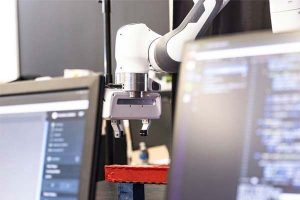
The UW is planning to launch an interdisciplinary AI minor in the spring. “Students will be able to study a field they are passionate about and also understand AI and how it relates to that field of study,” says Magda Balazinska, director of the Paul G. Allen School of Computer Science & Engineering and co-chair of the group designing the new curriculum.
 Rousing rankings
The University of Washington has been ranked highly among its global peers in both the U.S. News & World Report Best Global Universities and the QS World University Rankings. According to U.S. News, the UW is No. 12 in the world in the 2026-27 rankings and No. 3 among U.S. public institutions. The QS World University Rankings has the UW at No. 92 and No. 7 among U.S. public universities.
Fantastic Fulbrights
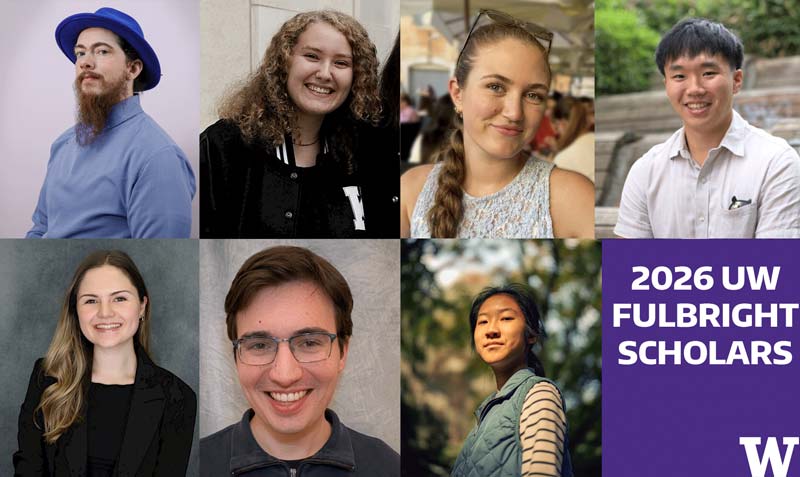
Seven UW students and recent alumni have been awarded Fulbright U.S. Student Program scholarships for the 2026–27 academic year, joining about 2,000 students and recent graduates from around the country to pursue graduate study, conduct research and teach English abroad. The Fulbright scholarship program is the largest U.S. international exchange opportunity for students to pursue graduate study, advanced research and teaching in elementary and secondary schools worldwide.
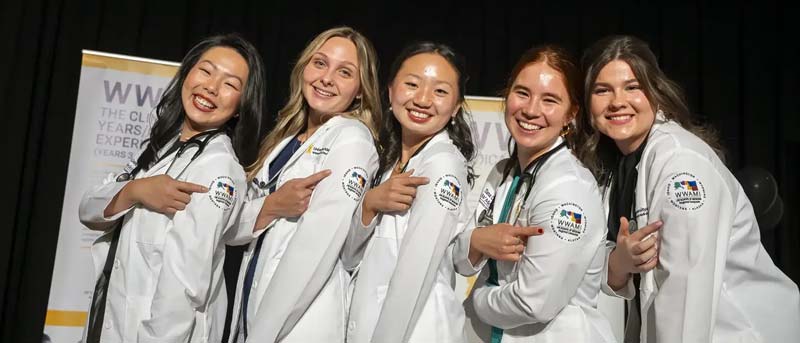
Courtesy University of Idaho WWAMI program
Happy 50th, Idaho!
The UW School of Medicine is celebrating 50 years of internal medicine residency training in Idaho with the 50th Hindson Winter Conference in January. All of the speakers at the conference will be graduates of the UW Boise/Seattle Internal Medicine Residency Track or the UW Boise Internal Medicine Residency.