For the love of Kauaʻi For the love of Kauaʻi For the love of Kauaʻi
Burned out by her finance job, and inspired by the Kahelelani shells she saw in Hawai'i, Stephanie Deng started a new career as a jewelry designer.
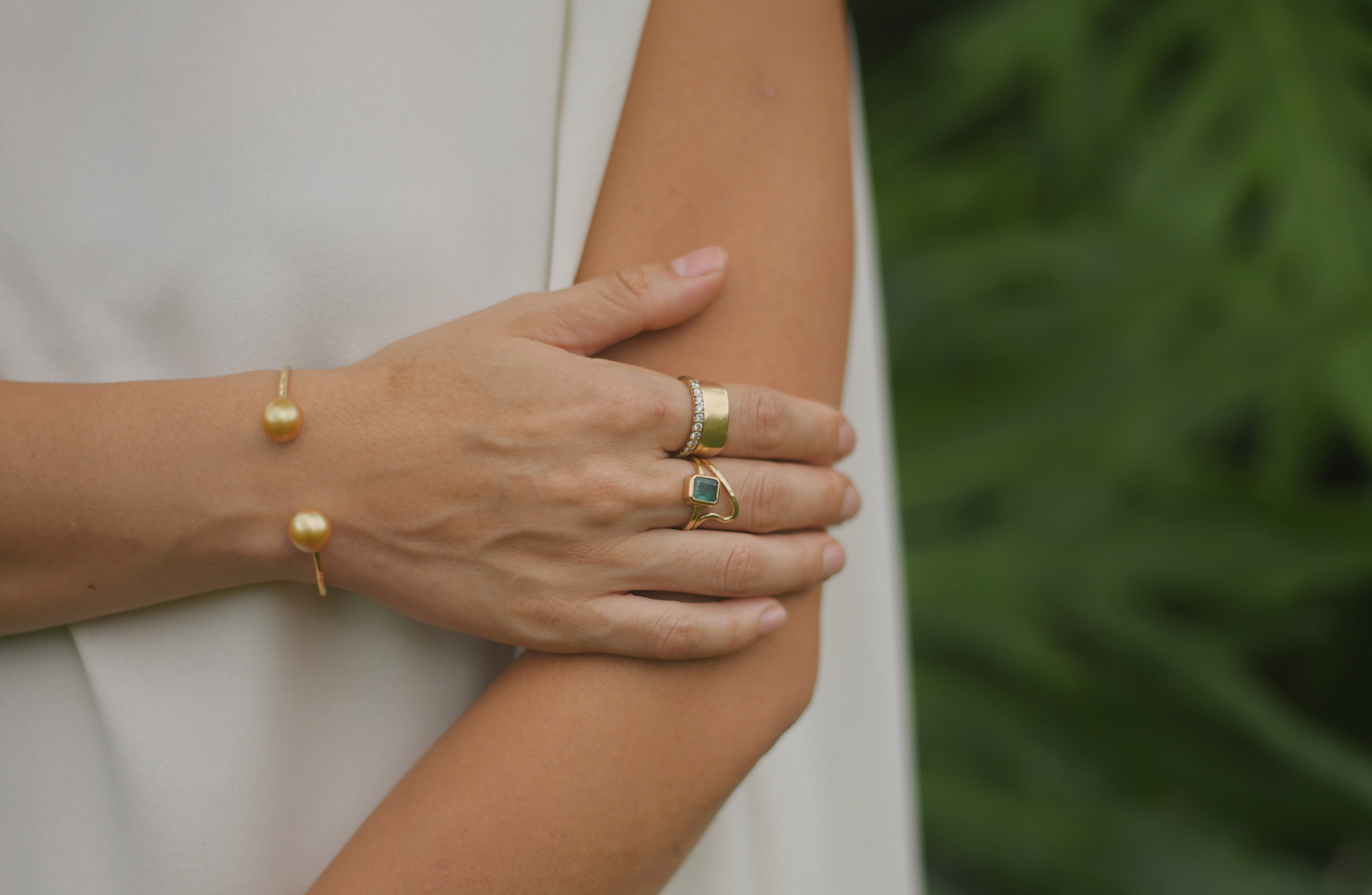
Burned out by her finance job, and inspired by the Kahelelani shells she saw in Hawai'i, Stephanie Deng started a new career as a jewelry designer.
Choosing a piece of jewelry is often a special purchase, whether you’re buying it for yourself, as a gift for a loved one or as a memento to remember a vacation. Many customers who shop with Kauai Handmade do all three. Handcrafted with pearls, gemstones and Kahelelani shells, each jewelry design captures a unique piece of Hawai’i.
I sat down with owner and bench jeweler Stephanie Deng, ’09, to learn about how she transitioned from a career in finance to build a successful jewelry business, the inspiration behind her signature designs and advice she’d share with other entrepreneurs.
This conversation has been edited for clarity and length.
I was living in Seattle and working in mortgages and banking, but I was feeling burned out. I traveled to Kaua’i for a small wedding, fell in love with the island and decided to take the leap and move here.
Once I arrived, I became inspired by the shell and pearl jewelry created by local artists, especially pieces made with Kahelelani shells, which can only be found here in Hawai’i. Historically, these shells were reserved for royalty, and they’re the only shells in the world considered gemstones. I knew I wanted to incorporate them into my work and create designs unlike anything I’d seen before.
I’ve been collecting shells since I moved to the island, and I’ll continue creating jewelry with them after relocating my business to Washington. My customers come from around the world, and it’s rewarding to share a piece of Hawai’i with them.
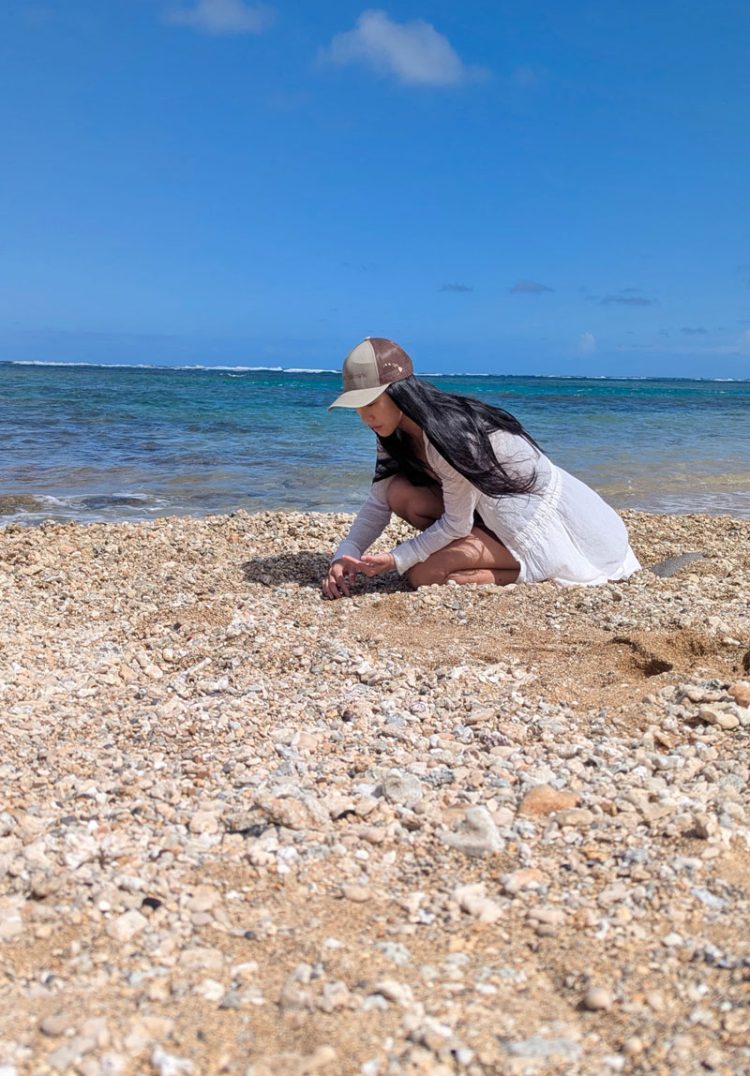
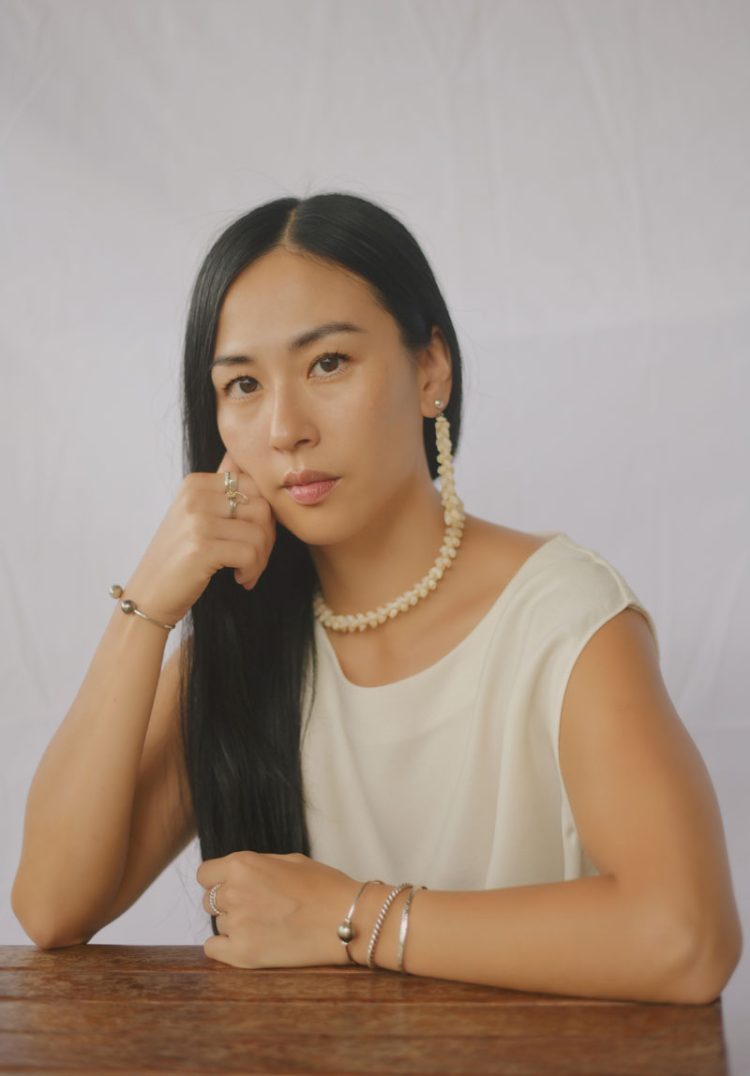
I was inspired by the artisans I saw at local craft fairs and knew I wanted to create one-of-a-kind jewelry. Around that time, I saw artists making resin jewelry with dried flowers online and wondered if I could adapt the technique using Kahelelani shells. I collect these shells by hand, then sort, clean and prepare each shell before incorporating it into a finished piece. I began setting the shells in resin to create pendants, rings and bracelets. Over time, I refined my process and started incorporating precious metals into my work. The shells are already incredibly special, but pairing them with precious metals creates something that’s both meaningful and wearable.
I wanted to combine shells with metal, so I decided to learn metalsmithing. Since I’m originally from Seattle and visited frequently, I searched for jewelry classes and found an instructor who taught me the fundamentals. I never attended jewelry school, but with a great teacher, you can learn everything you need to know. Today, I work with materials ranging from sterling silver and platinum to 24-karat gold, along with gold-filled metals.
Last year, I began offering jewelry-making workshops and one-on-one lessons for aspiring bench jewelers. It’s my way of giving back to the community and helping others learn the craft. I enjoy sharing the techniques and lessons that took me years to discover and helping students avoid some of the frustrations I experienced along the way.
Running a business has taught me the importance of listening to customers. When I first started, I resisted changing my designs based on feedback because I wanted to stay true to my artistic vision. Over time, I realized that my customers are the people who wear my work and represent my brand.
One of the most rewarding parts of my job is receiving photos from customers wearing my jewelry. They’ll tell me it reminds them of their trip to Hawai’i or of the people they met while they were here. Those moments also remind me that I’m creating more than jewelry. I’m helping preserve memories.
The integrity of the jewelry always comes first. If a customer requests a heavy pendant on a delicate chain, for example, I’ll recommend a thicker chain or a lighter pendant to ensure the piece is durable and wearable. Ultimately, the decision belongs to the customer, and my role is to provide expert guidance along the way.
If you have the opportunity, invest in yourself early on. Take classes, seek out mentors and continue learning whenever you can. Once you’ve invested in your own growth, you’re more likely to stay committed and keep moving forward.
I’ll be moving back to Seattle in late August, and my first event will be the Live Aloha Hawaiian Cultural Festival on Sept. 13 at Seattle Center. I’ll be showcasing my jewelry in the Seattle Center Armory. I’ll also continue accepting custom orders, teaching jewelry-making workshops, and offering mobile permanent jewelry services. I’m also exploring the idea of opening a fitness studio that would also serve as a creative space for workshops and a place to showcase my jewelry.
Follow Kauai Handmade on Instagram to stay up to date on upcoming events, new collections, and workshops, and shop online.
About the author: Aleenah Ansari (she/her) is equal parts storyteller, creative problem solver, and journalist at heart who’s rooted in the stories of people behind products, companies, and initiatives. She writes about travel, entrepreneurship, mental health and wellness, and representation in media for Insider, The Seattle Times, Byrdie, and more. You can usually find her searching for murals, reading a book by a BIPOC author, or planning her next trip to New York. You can learn more at her website.