Knowing nature Knowing nature Knowing nature
At the Burke Museum's new traveling exhibition, visitors can explore the world's largest continuous forest.
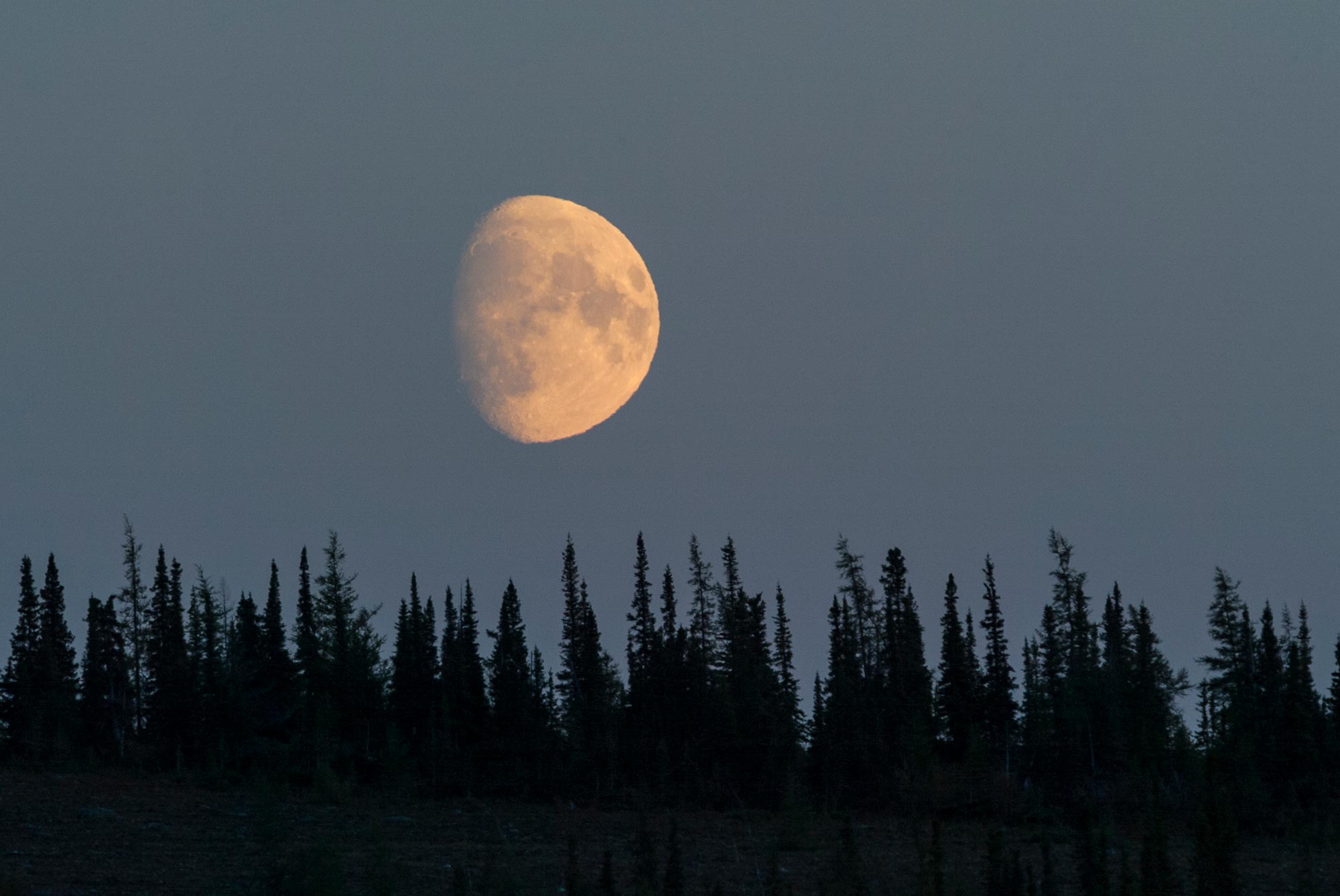
At the Burke Museum's new traveling exhibition, visitors can explore the world's largest continuous forest.
The boreal forest, or taiga, covers the northern reaches of the hemisphere, spanning Alaska, Canada, Europe and Russia and contains some of the largest remaining continuous wilderness areas on Earth. It encompasses nearly one third of the planet’s trees and is also a refuge for wildlife, a critical source of fresh water and a giant carbon storehouse.
At the Burke Museum’s new traveling exhibition, “Knowing Nature: Stories of the Boreal Forest,” visitors will get a chance to see, hear and imagine the world’s largest continuous forest through photos, interactive displays, commissioned artwork, first-person stories and zoological and botanical specimens curated from the Burke’s collections.
“Knowing Nature” reminds visitors of the ways in which nature is deeply interconnected across time and space. The exhibition looks at phenomena like migratory bird patterns and the seasonal change in coat color of short-tailed weasels or snowshoe hare that occur in relationship to nature’s calendar. Scientists can better understand the effects of climate change on the forest itself and the animals that call it home by studying the boreal forests to observe the reactions of keystone species to their changing environments. This can provide important information about conservation and climate change mitigation.
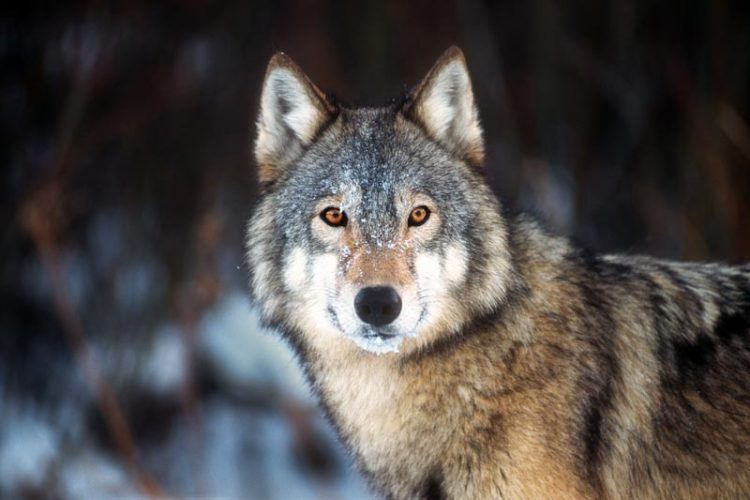
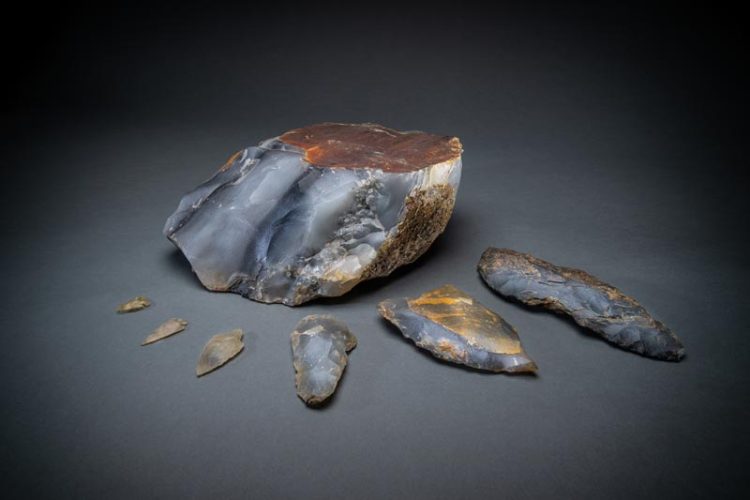
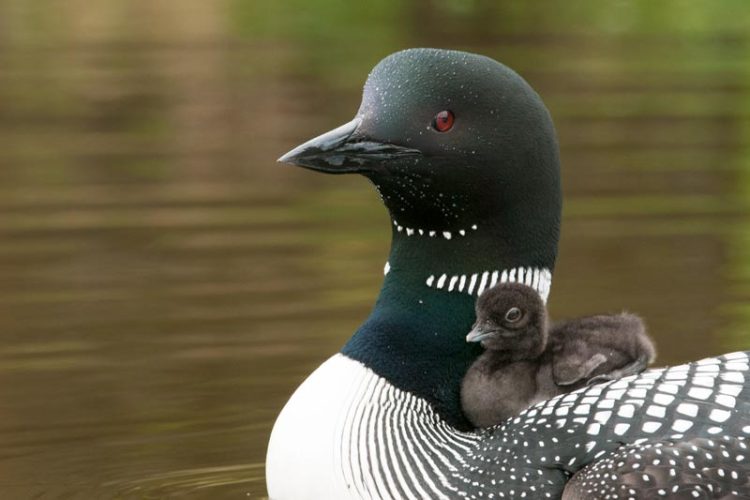
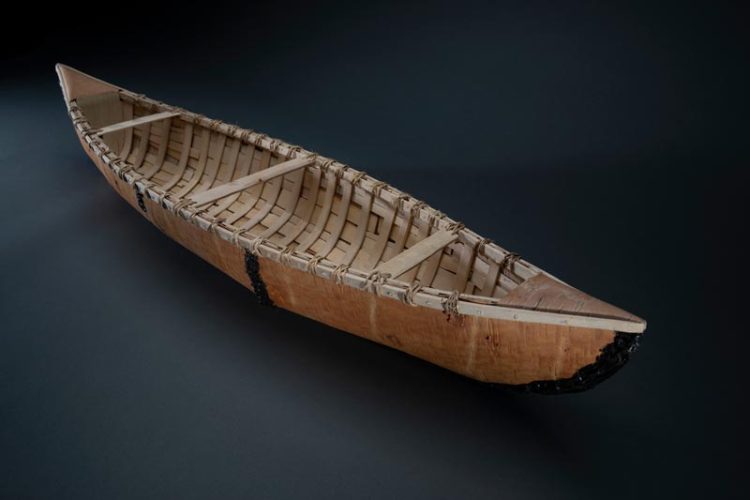
By bringing together Burke Museum specimens, interactive experiences, photography and Indigenous art, “Knowing Nature” explores these connections and reflects on how the forest’s past, present and future are linked to our own lives. “I hope visitors leave with a deeper appreciation for our shared responsibility to care for the natural world and the communities connected to it,” says Sharlene Santana, Burke Museum curator.
Organized by The Smithsonian Institution Traveling Exhibition Service, the Burke show includes artworks commissioned by the museum and a multimedia installation by Athabascan artist Janna Avner. It features an acid-washed moosehide that evokes the landscape and environment of the subarctic biome. Presented in English and Spanish, “Knowing Nature” gives voice to the boreal through the words of Indigenous community members, scientists, artists and conservationists to share how knowing nature can offer a vision for a sustainable future.
“Knowing Nature” will be on display at the Burke Museum through April 25.
Lead photo © Gary and Joanie McGuffin.