Sweet treats Sweet treats Sweet treats
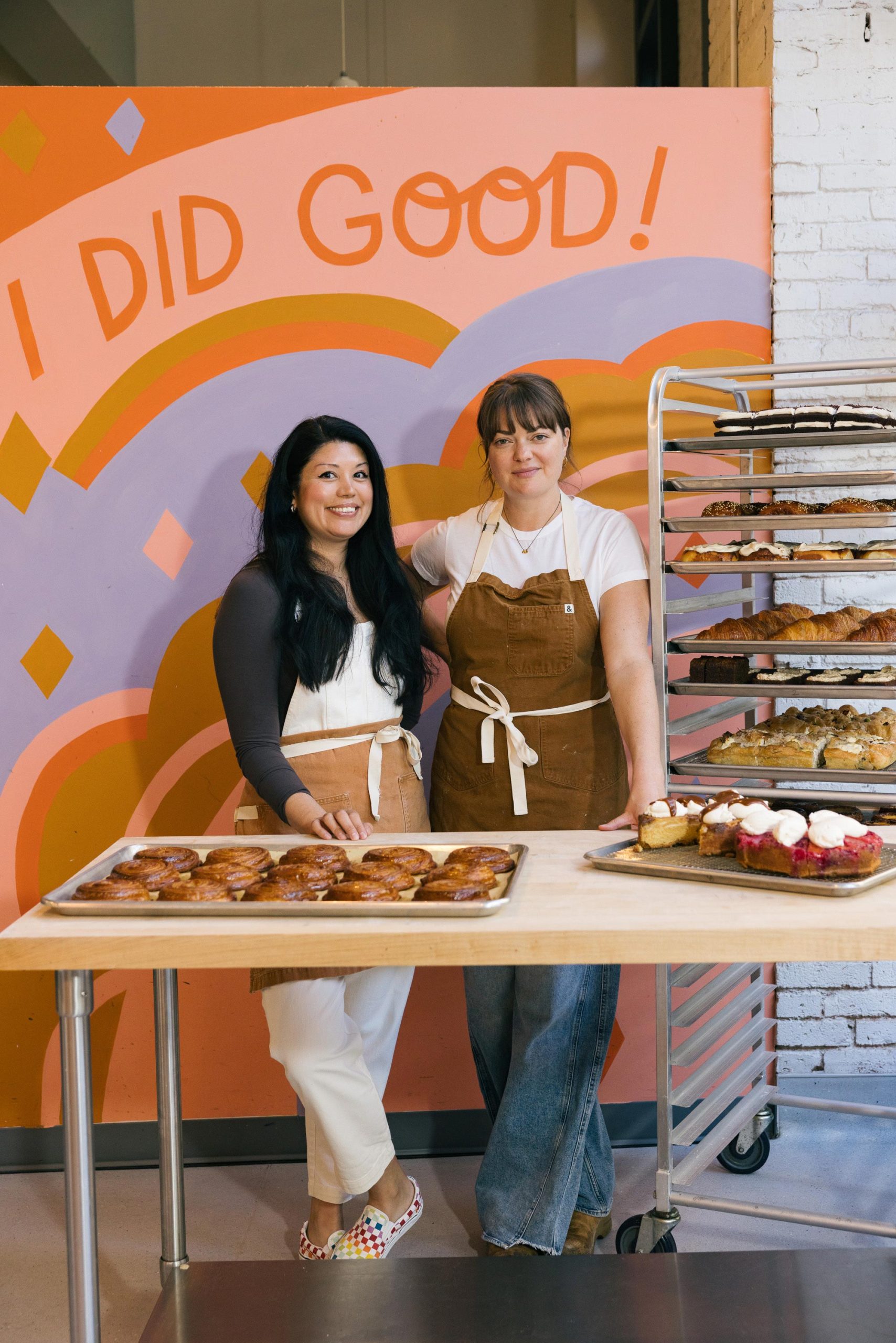
The Pastry Project is committed to making pastry education more accessible, and they’re spreading the love with sweet treats.
By Aleenah Ansari | Photos courtesy of The Pastry Project | March 26, 2026
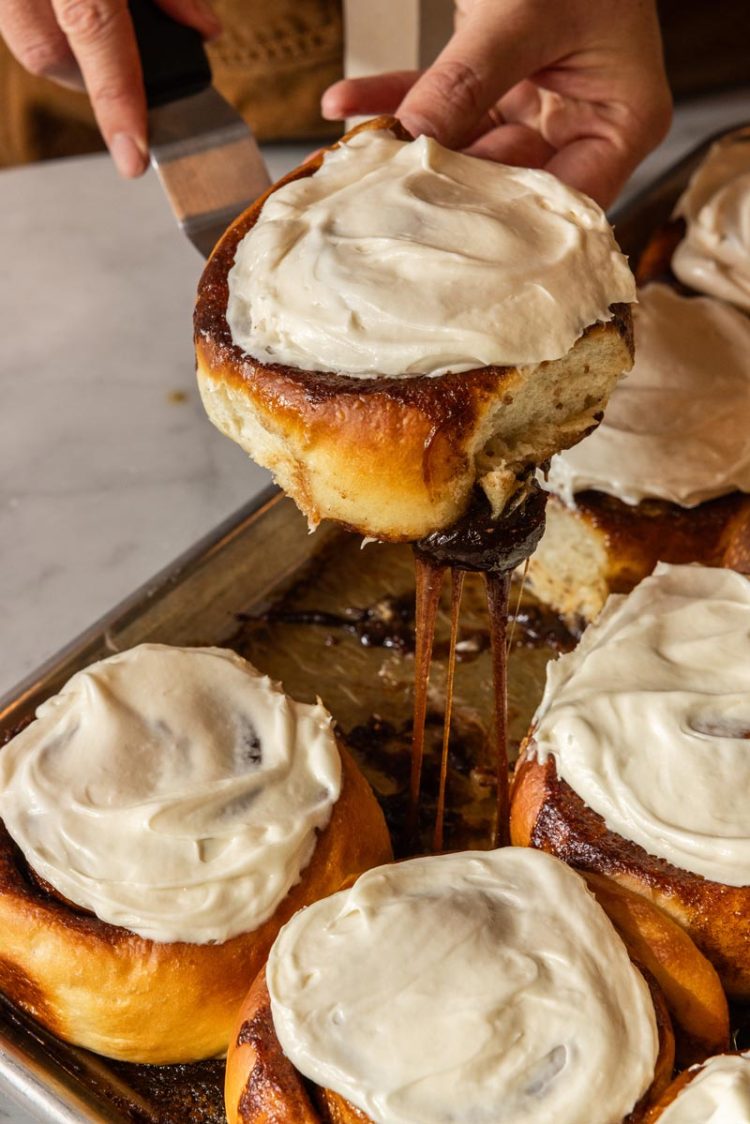
Cinnamon rolls, chocolate chip cookies, seasonal tea breads and more are baked fresh and served at the window of The Pastry Project, which is known for its soft serve when the weather starts to warm up. Customers can also make their own treats using pastry kit subscriptions, or get more hands-on guidance during chef-instructed classes.
Sweet treats are just the beginning though. The Pastry Project is committed to making pastry education more accessible through a free baking and pastry training program for people who are facing barriers to employment in the industry.
I sat down with Emily Kim, ’08, co-founder and community impact director of The Pastry Project, to learn more about the origin story of The Pastry Project, what it means to run a social impact business and how she developed the curriculum for their free pastry education program.
This conversation has been edited for clarity and length.
How did The Pastry Project come to be? Why was it important to you to make pastry education more accessible?
I was working as the social impact and marketing director at Molly Moon’s, and I was brought on to form their nonprofit and build community partnerships and social impact programs. One of the projects involved working with community organizations during hiring season to offer jobs to people in some of their partner organizations, like Mary’s Place, Boys & Girls Clubs of America and the YMCA.
I found that it was fairly easy to train and bring people into the front-of-house role, but bringing them into a culinary role as an ice cream maker had a higher barrier to entry. The prerequisite was usually pastry school or experience in a bakery so you could make the caramels, sauces, brownies, cookies and ice cream. There were many social service programs and workforce trainings for people facing barriers to employment, but it was rare to see pastry training included.
I connected with my now co-founder, Heather Hodge, who was the culinary director at Molly Moon’s at the time, to see if she would be interested in developing a curriculum for a free pastry education program.
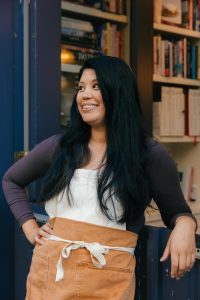
Emily Kim’s bakery window is popular in the neighborhood. “We’ll see people watching us open our doors from their office windows, and they’ll come over,” she says.
What led you and Heather to open The Pastry Project in Pioneer Square?
When we received a grant from the Alliance for Pioneer Square for the first iteration of our pastry education curriculum, one of the requirements was to use it in Pioneer Square. That’s how we ended up in the back kitchen of London Plane. We loved that space so much and it felt like home, so we ended up taking it over and renovating it.
We love Pioneer Square as the neighborhood that’s home to our business not just because it’s historic, but because it’s near almost every mode of public transit and many social services like Downtown Emergency Services, Chief Seattle Club and SODO Community Market, among others.
In late 2025, we decided to open up as a pastry window a few days a week. Thursdays and Fridays are some of our busiest days, and we’ll see people watching us open our doors from their office windows, and they’ll come over. We’ve tested and developed a vast repertoire of recipes for our pastry education curriculum and classes. Now, we can offer all these pastries like cinnamon rolls, croissants and chocolate chip cookies and get to know the neighborhood in a new way.
What was your process for creating a holistic pastry education curriculum so students develop the skills they need and understand what it’s like to work in a pastry kitchen?
We combined elements from Heather’s pastry school curriculum at the Culinary Institute of America as well as job descriptions from many different pastry jobs in Seattle. Part of the program gives students time to develop their resumes and learn how to effectively navigate the job search. Since we have a pastry window, the students have an opportunity to shadow bakers during their shifts and have field trips to local bakeries. We also evolve the curriculum based on the students’ interests and feedback from the alumni survey, which is why we added independent review days where students can practice some of the skills and techniques they’ve learned.
It’s also important that we offer mentorship to students after they graduate. I run alumni programming, which includes additional field trips and classes with specialty instructors who teach them things like entremets and chocolate. They can also set up meetings with us if they need support when asking for promotions or moving positions.
Through our pastry education program, we’re able to support people who are facing barriers to employment, which may include people who are low-income, single parents, living in shelters or formerly incarcerated.
What are some of the ways you connect with the community through pastry kit subscriptions, chef-instructed classes, and your pastry and soft serve window?
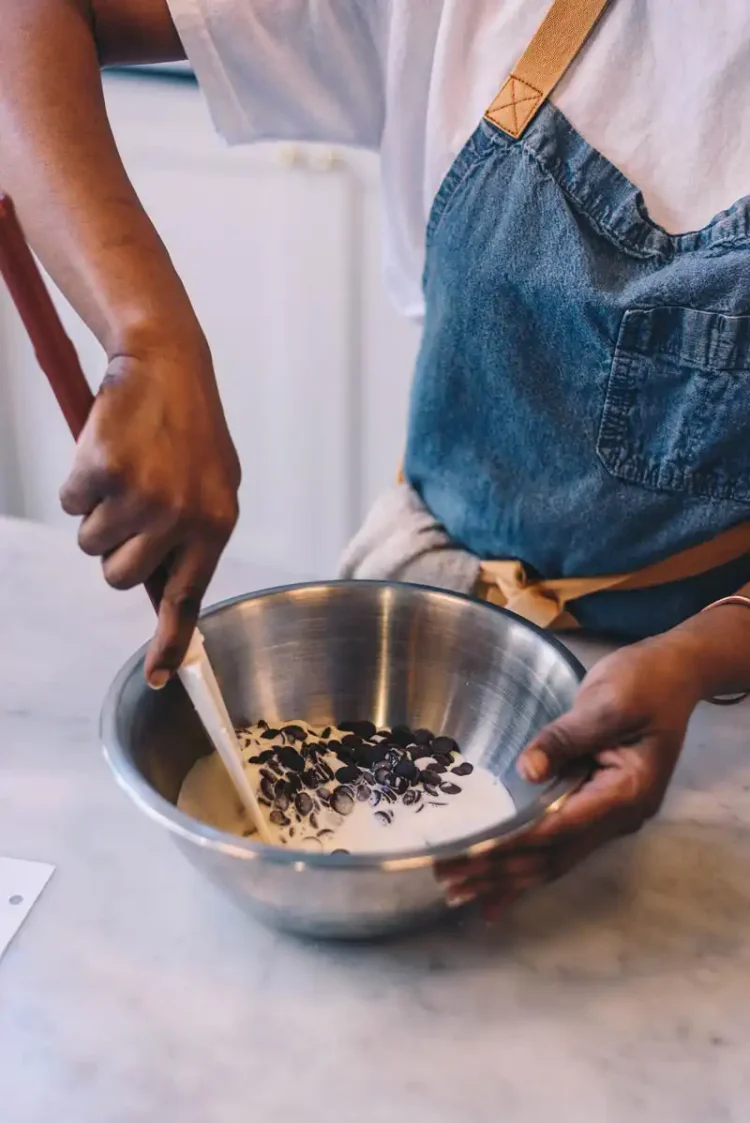
We wanted to have diversified revenue streams to help us weather the storm of uncertainty, and we also like to have many different ways to interact with customers. I get to see people in person when our bakery or soft serve window is open, and we get to teach people through our classes and pastry subscription kits. People’s purchases of our other offerings and products support our broader mission.
What does being a social impact business mean to you, and why are community partnerships important?
As a social impact business, we’re committed to giving back to an underserved community through our business, which we do through our curriculum, donations and involvement in community projects like fundraisers. We hope to be a model for a successful business that pays its employees well, provides benefits and does good for the community.
What advice would you share with current or aspiring business owners?
If you’re starting something new, make sure that it’s something that you’re passionate about. I really care about giving back, human rights and free education, and all of these things lend themselves to the business.
Check in with yourself to ensure that you’re feeling good and have opportunities to keep growing. When I start to feel stagnant, I’ll think about what I can add to the work to make it more exciting. At The Pastry Project, I’m thinking about ways to bring alumni back for potential collaborations or special menus, which are opportunities for the business and me to grow.
Lastly, choose a business partner wisely. Heather and I recognized that we had similar values in what we wanted to see in the world, and we also had complementary skill sets with her culinary skills and my marketing and partnership experience. I enjoy having a business partner, and we both understand the importance of communicating with kindness and clarity.
As you look back on your journey as a small business owner, what through-lines do you notice?
Building a business is so fun, and everyone has a unique skill or passion to solve a problem in a creative way. As Steve Jobs said, “You can’t connect the dots looking forward; you can only connect them looking backwards. So you have to trust that the dots will somehow connect in your future.”
In my case, I went from City Council to Molly Moon’s to The Pastry Project, as well as internships at law firms, government agencies and magazines. These experiences seemed random at times, but in hindsight, they all brought me to where I am today and helped me find people I could learn from, and I’m grateful for all of it.
Follow The Pastry Project on Instagram and sign up for their email newsletter for the latest updates on pastry offerings, classes, and pastry kit subscriptions.
About the author: Aleenah Ansari (she/her) is equal parts storyteller, creative problem solver, and journalist at heart who’s rooted in the stories of people behind products, companies, and initiatives. She writes about travel, entrepreneurship, mental health and wellness, and representation in media for Insider, The Seattle Times, Byrdie, and more. You can usually find her searching for murals, reading a book by a BIPOC author, or planning her next trip to New York. You can learn more at her website.