In memory of Verna Hill, who forged a path, and Ruby Luke, who lifted up her community
We remember Verna Hill, who paved the way for Black nurses, and Ruby Luke, who brought light to her community.
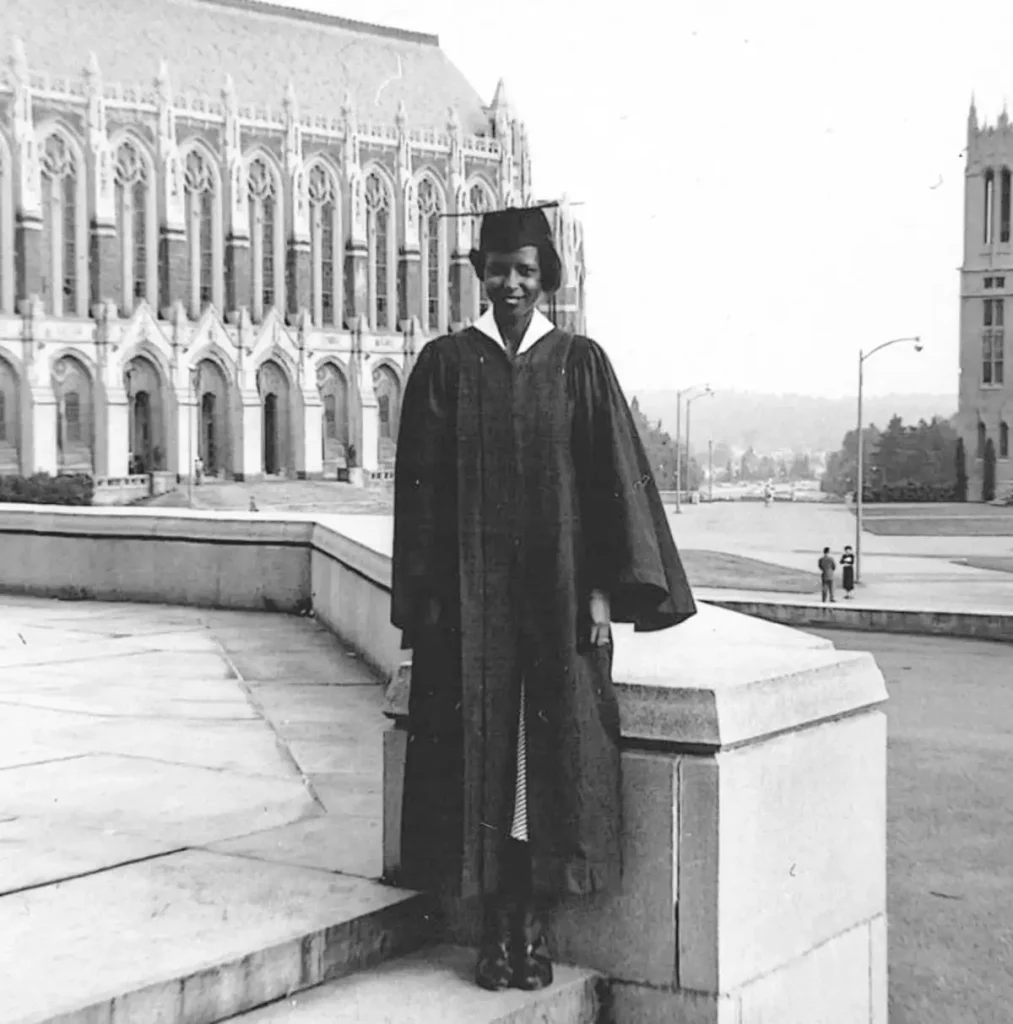
Verna Hill at her graduation in 1954. Photo donated to the UW School of Nursing by the Verna Hill family and estate.
Verna Hill
1927–2026
In 1954, when Verna Hill became the first African American student to graduate from the UW School of Nursing and it’s pre-nursing program, she started a career as a pioneering nurse, educator and lifelong advocate for community care. She died January 28 at the age of 98.
Born in 1927 and raised in the rural South, where her family worked as sharecroppers, Hill helped care for her younger siblings. Despite living in a system designed to exploit and limit opportunity, her family was deeply committed to community, giving what they could each week to their church. The lessons that shared effort could turn scarcity into sufficiency became foundational to Hill’s life. Even as a child facing setbacks, including being held back in school at a time of pressing needs at home, she developed resilience, returning the following year to excel at the top of her class.
At the UW, she pursued a bachelor of science in nursing, navigating both barriers and support from her instructors. She also found mentors and opportunities that helped her succeed. She went on to work as a post-operative nurse, psychiatric nurse, school nurse and public health nurse. She returned to the UW to earn a master’s in nursing in 1979.
Hill’s career reflected an expansive understanding of care. She led a teen parent program at Bellevue Public Schools and later contributed to health initiatives at the state and international levels, including as part of a delegation of health care professionals to the People’s Republic of China.
Throughout her life, Hill forged pathways for others. As a longtime leader and past president of the Mary Mahoney Professional Nurses Organization, she supported generations of Black nurses through mentorship, scholarships and community-building. Her work with the Washington State Nurses Association and in public health reflected an enduring belief: that care must extend beyond institutions and into the lived realities of people, including those historically excluded from systems of support.
Hill understood care as both an act of love and a form of resistance. Her legacy lives on in the communities she strengthened, the students she mentored and the institutions she helped shape.
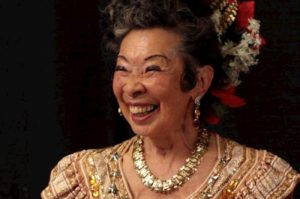
Ruby Luke
1934–2026
Ruby Luke, the younger sister of visionary civic leader Wing Luke and a beloved figure in Seattle’s cultural and LGBTQ+ communities, died September 8 at the age of 91. Dazzling in her handmade ensembles for line dancing and folk dance, Luke was a radiant presence on and off the dance floor. Known for her warmth, creativity and unmistakable style, she was cherished by generations of dancers and community members.
Luke was born in Seattle in 1934, the third of six siblings in a prominent Chinese American family. She attended Garfield High School and entered the UW in 1954 with a scholarship from the Aluminum Company of America. She went on to work as a technical illustrator for Boeing for 35 years, retiring in 1992.
She had a lifelong commitment to community and cultural life. During the Wing Luke Museum’s capital campaign to convert the historic East Kong Yick building on King Street into its current home, Luke and her sisters raised $100,000 toward the $23.2 million project, completed in 2008. She was also an original member of the Seattle Chinese Community Girls Drill Team, a women’s leadership group founded in 1952 and active today.
Dance was one of Luke’s great passions. She was accomplished in folk dance, square dancing, country and line dancing. She became especially well known in Seattle’s LGBTQ+ country-western dance scene, teaching at venues including the Timberline and The Cuff, supporting inclusive spaces where people could gather, learn and celebrate. In 2011, at the Rain Country Dance Association’s Emerald City Hoedown, she was honored with the inaugural Ruby Slipper Award for her enduring contributions.
With her beaming smile, vibrant attire and generous spirit, Luke was an icon of resilience, creativity and connection.