Myths, mortality and motherhood
Kristen Millares Young blends personal narrative with mythology and cultural inquiry in "Desire Lines."
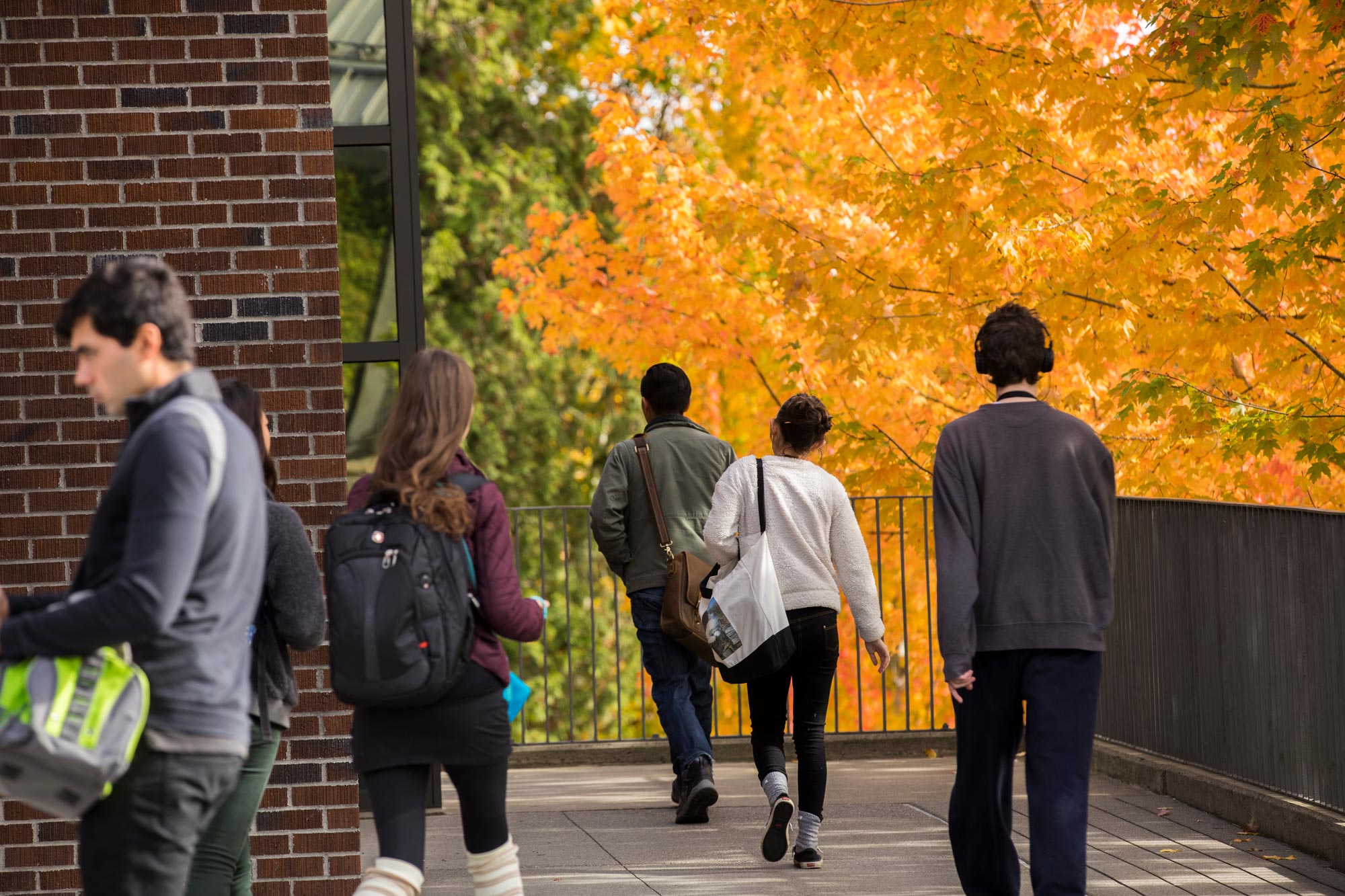
Fall into a good book this season! We've rounded up media releases from the UW community. From the science of regenerative farming, to a mystery novel set in the 1960s, to the middle-grade debut of "We Still Belong" author Christine Day, there might just be something for everyone on this list.
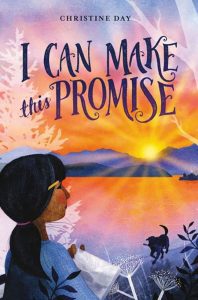
Christine Day, ’15, ’18, Upper Skagit
Day made her middle-grade debut with “I Can Make this Promise.” Released in 2019, “I Can Make this Promise” was a best book of the year from NPR, a Charlotte Huck Award Honor Book and an American Indian Youth Literature Award Honor Book.
On Nov. 8, Christine Day will speak at the Information School’s Native American Read-In, co-presented by Read-A-Rama. Tune in online from 1:00–2:30 p.m. to celebrate Native American heritage with artists, authors and librarians.
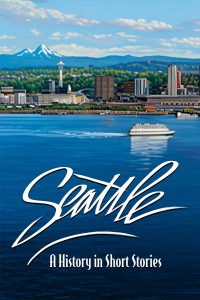
Documentaries Seattle and KBTC PBS
A slew of experts from the UW contributed their insights to this documentary series about Seattle’s transformation from a rainforest to a tech and aerospace giant, including Jean Walkinshaw, Tim Egan, Carver Gayton and Leonard Forsman.
All three episodes, which collectively cover Seattle’s history from 15,000 B.C. until today, are available to watch online.
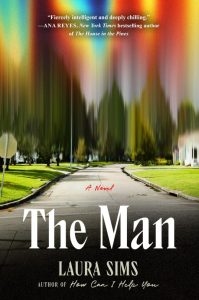
By Laura Sims, ’00
G.P. Putnam’s Sons
Sims’ suspenseful third novel follows talented amateur photographer Judith Stanley, who notices the silhouette of a man in the background of her self-portraits. Exploring 1960s domesticity through the lens of a homemaker, the book takes a creepy (yet fascinating) turn.
 Voices of Nursing
UW School of Nursing
Listen to top-notch nurse leaders, researchers and scholars as they share triumphs and challenges in health care. Reproductive rights, burnout, HIV and community-based care are among the hot topics discussed on this podcast.
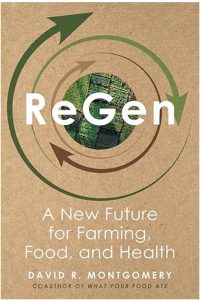
By David Montgomery, UW professor of earth and space sciences
W.W. Norton and Co.
The answer to better farming is simple: better soil. To improve soil health and combat climate change, Montgomery makes the case for regenerative agricultural methods like crop diversity and low or no tillage.
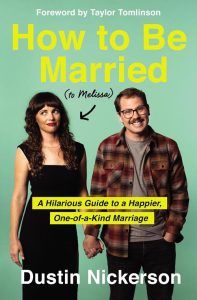 How to Be Married (to Melissa)
By Dustin Nickerson, ’06
Less of a self-help book and more of a comedian’s take on the ups and downs of long-term relationships, Nickerson’s 2022 guide to marriage and parenthood contains funny stories and musings on what makes relationships tick. Nickerson and his wife, Melissa, recently recorded the final episode of their podcast, “Don’t Make Me Come Back There.”
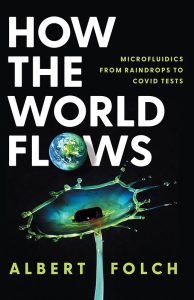 How the World Flows
By Albert Folch, UW Professor of Bioengineering
Folch’s lab states that its mission is to make microfluidic devices as easy to use as smartphones, and easily available to clinicians to advance cancer diagnostics and therapies. In “How the World Flows,” he breaks down the topic of microfluidics—seen in nature as falling raindrops, rising tree sap and flowing blood—in easily understandable language. He also shows the ways scientists have used microfluidics to innovate, from spray paint cans to COVID tests.
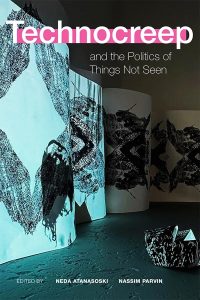 Technocreep and the Politics of Things Not Seen
Co-written by Nassim Parvin, Information School professor and Assistant Dean for Inclusion, Diversity, Equity, Access & Sovereignty
Surveillance, from home assistants to health-tracking apps, can be creepy. But Parvin and co-author Neda Atanasoski encourage readers to go beyond fear and discomfort and examine that “creepy” feeling as an issue of societal control and power.
“The book moves away from the binary of good and bad technology and instead foregrounds the complex, and at times fraught, relationships that these technologies mediate,” Parvin explains.