A dorm that feels more like home
A renovated dorm will open on the UW campus in fall 2027.
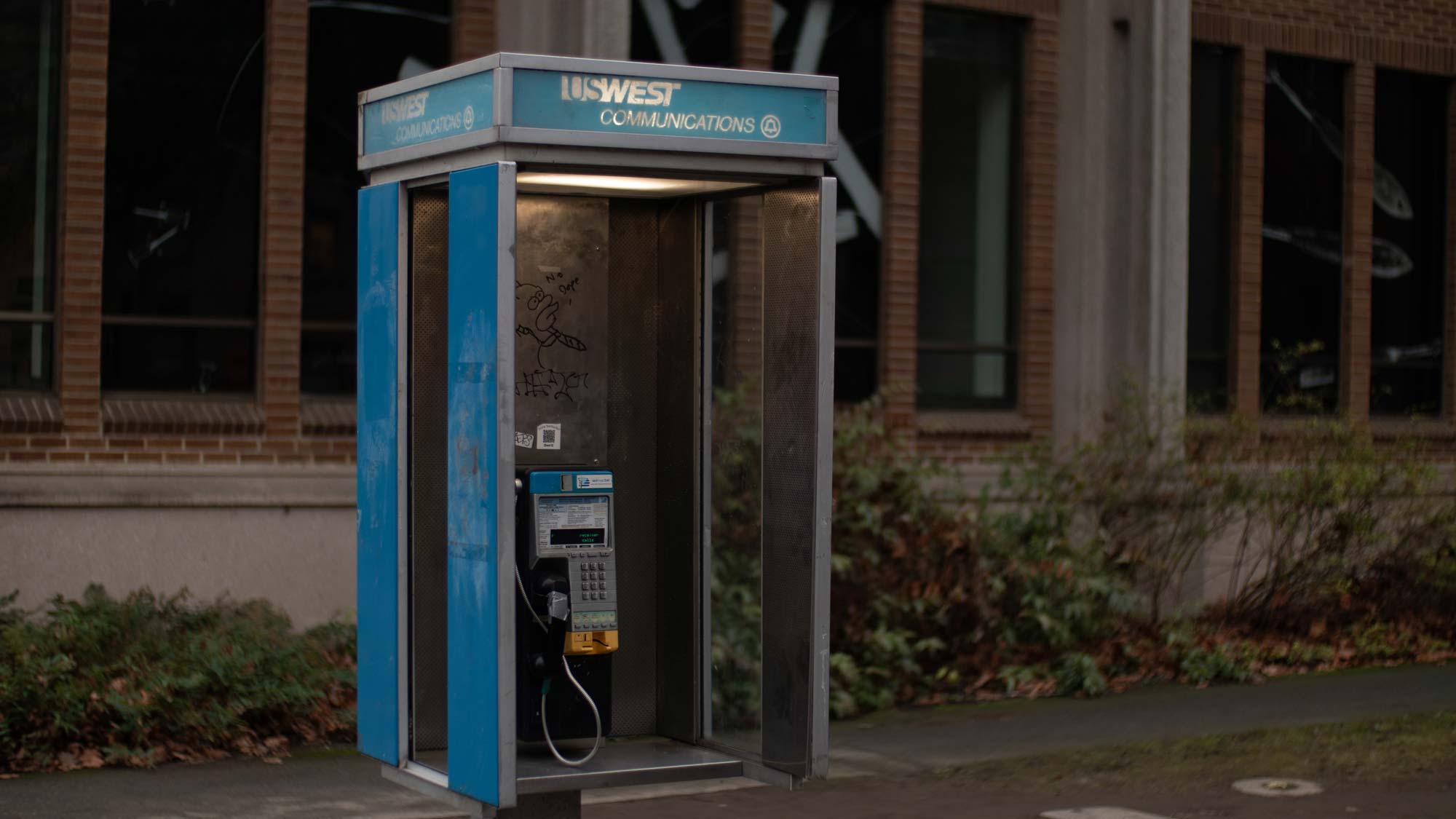
Here lies the campus pay phone, relic of an analog past. The removal of the UW’s final pay phone, though it occurred on April 1, was no prank. Its purpose was not decorative, even though its home was in front of the Art Building. In fact, it purportedly was one of the most-used pay phones in the western U.S.
But times changed, and the country went from 2.1 million pay phones in 1997 to fewer than 100,000 in 2016. Today, it’s not even clear how many pay phones we have left from sea to shining sea.
It’s easy to point the blame at the rise of the ever-convenient cellphone, but pay phones had other drawbacks. “The pay phone is a big, beefy piece of equipment,” says Sam Osheroff, an operations engineer for UW Unified Communications. “It has to withstand environmental abuse and physical abuse. People don’t want to use them when they’re all beat up and gross.”
Pay phones also have a problem with copper cabling. The Federal Communications Commission dropped its requirement for regional carriers to maintain their outdoor copper cables. In addition, copper wires make up a fraction of their phone service compared to fiber-optic or wireless services.
If nobody’s using pay phones anymore, why would telecommunications companies bother to repair them?
“One advantage of a copper line is that the power is provided by a bank of batteries,” Osheroff explains. If a building loses power (and therefore its internet signal), or if a cell signal is weak, what do you do in an emergency?
There are certain advantages to analog, from avoiding the distraction and eye strain of screens, to having a more reliable emergency system in the event of a power outage. As Osheroff puts it, “There’s something lost in having too much digital connectivity.” So hold onto your vinyl records and film cameras as we close the book on an analog medium: the pay phone.
Before the cell phone, there was the pay phone. Take a peek at a few archival photos from UW Magazine to see what technology looked like in the past.
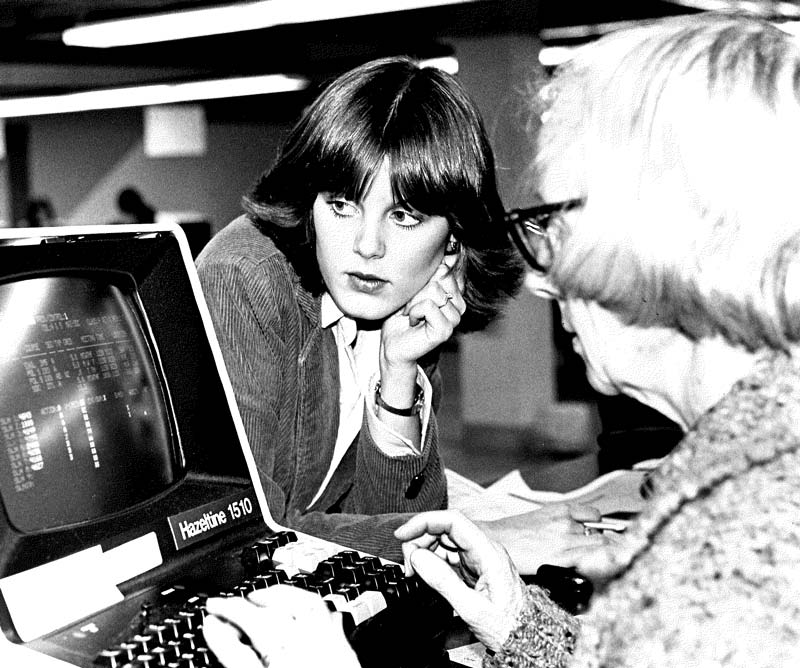
Before the MacBook, there was the Hazeltine 1510.
Released in June 1977, the Hazeltine 1510 cost $1,395, which—adjusted for inflation at $7,674.06—could buy almost three MacBook Pros in 2026.
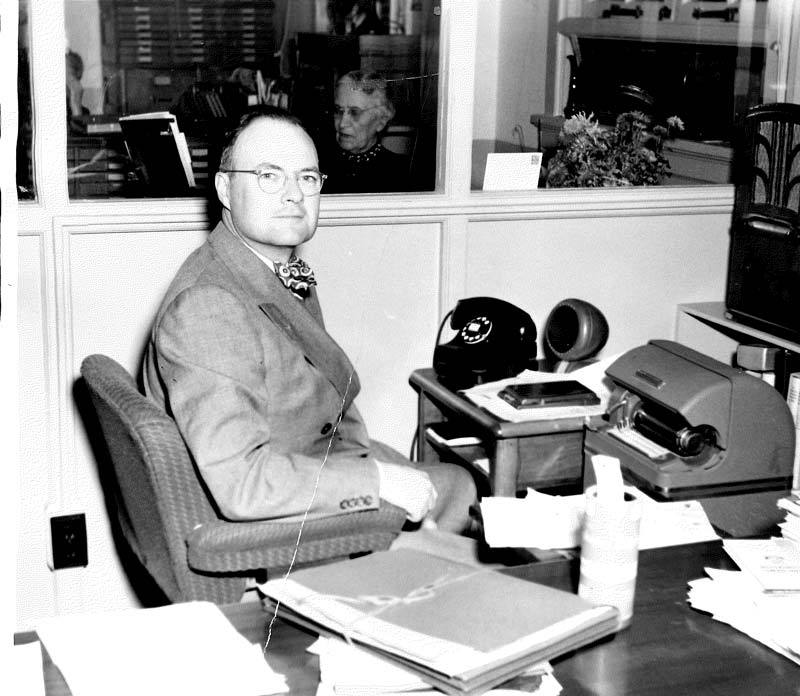
Before the copy machine, there was the mimeograph.
Mimeograph machines provided a low cost method of printing multiple copies of a document. Creating prints through a stencil and ink roller, the mimeograph was sometimes called a “ditto,” and apparently, the ink smelled very good.
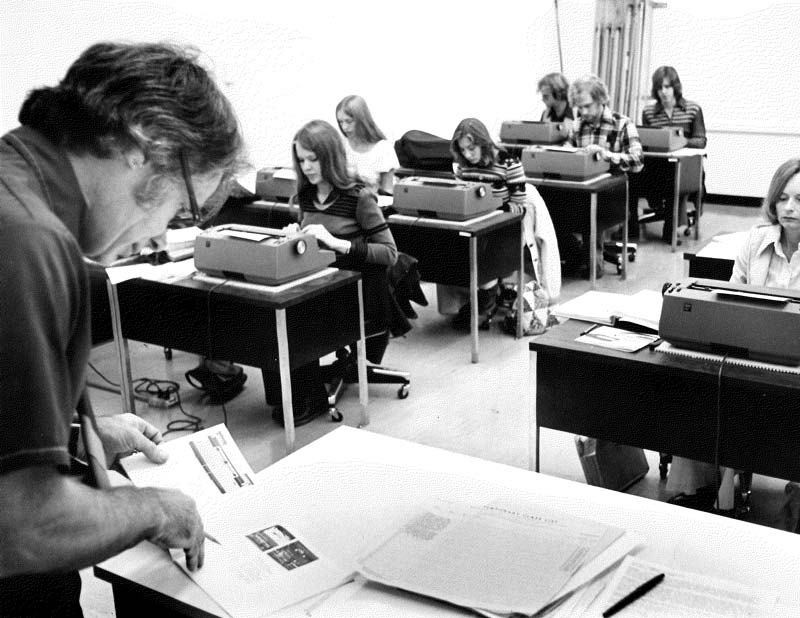
Before the laptop keyboard, there was the typewriter.
Typewriters made typing much slower, especially if you were prone to typographic errors, or typos. Without a backspace key, typists would have to mark an “X” over the incorrect letter; otherwise, they’d use whiteout or an eraser.
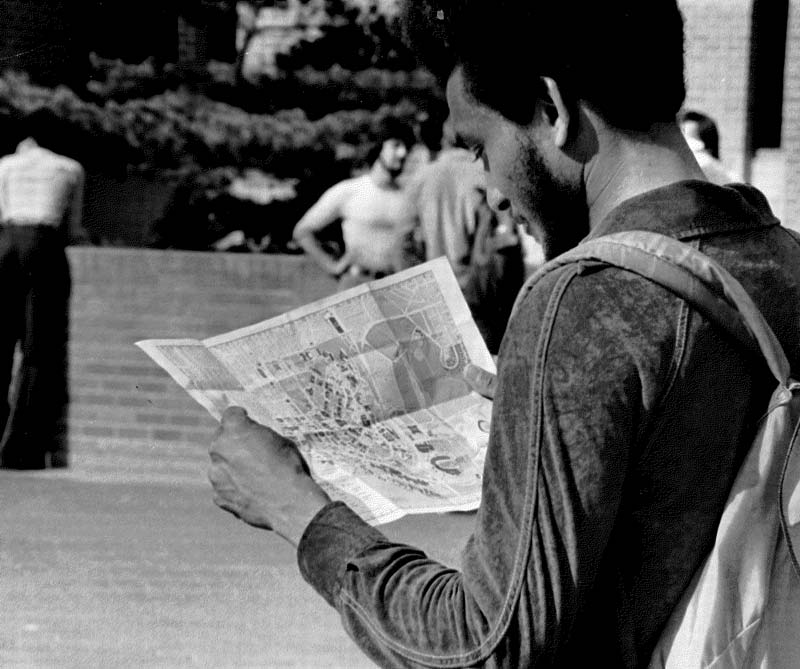 Before Google Maps, there was the paper map.
Not quite as interactive as today’s GPS navigation, paper maps had their drawbacks. For example, in 1986, staff members at The Daily printed a campus map for freshmen…with the buildings switched around. “I’ve seen The Daily do things that were worse, that were really problematic, but this wasn’t one of them,” said former spokesperson Bob Roseth, looking back on the incident in 2006. “I think the students figured it out really quick; we’ve got a pretty bright group here, and it was well within the tradition of The Daily.”
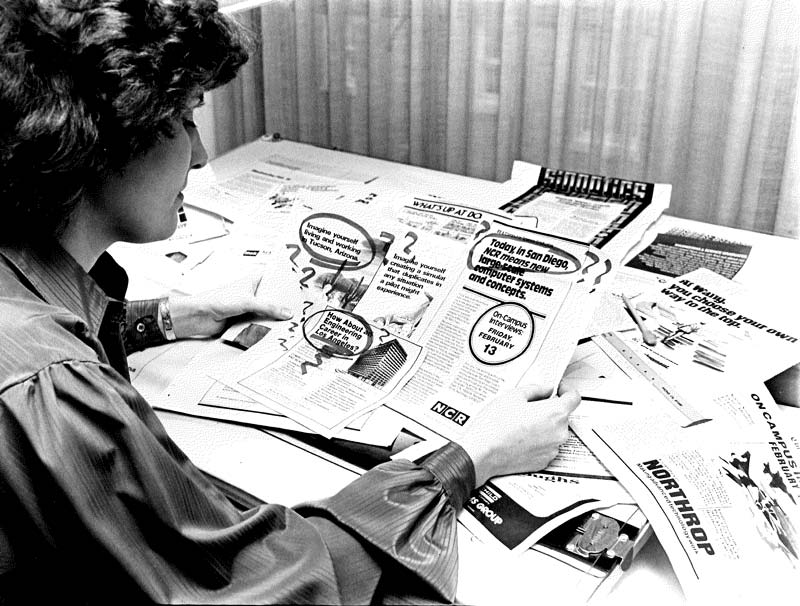
Before the Adobe creative suite, there was a whole lot of red pen.
As a quarterly print publication in addition to our online presence, we at UW Magazine are very grateful for InCopy and InDesign—though we still use paper proofs, too.
Do you have memories with UW pay phones, or other bygone campus technology? Email us your stories at magazine@uw.edu.