Features
June 1, 2007
Extra credit
A great university has great teachers. This year, the UW honors seven instructors from three campuses who have touched the lives of thousands.

Bad blood
As many as 3 million Americans are carrying the hepatitis C virus — but most don’t even know it. The UW is trying to crack its code before more potential carriers get the bad news.
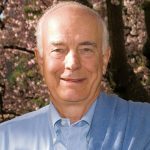
Dan Evans, engineer of change
Fate and a fierce independent streak kept him out of the White House. But that may have been for the best, since it kept Dan Evans close to his home state — and his alma mater.

Ocean blues
Since the Industrial Revolution, Earth’s oceans have swallowed nearly half of all fossil-fuel carbon emissions. Damage could be reaching the tipping point.
March 1, 2007
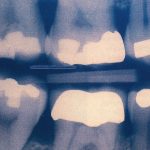
The metal debate
A pioneering UW study confirms that metal dental fillings are safe, but critics still aren't satisfied.
Killer instincts
UW crime experts reflect on a bloody year that saw the murder of two UW graduates—and what it might mean for future homicide rates.
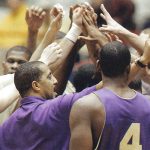
Team spirit
Religion is everywhere in American sports, but at a public university it's often out of bounds. UW coaches Lorenzo Romar and Tyrone Willingham share their approach.
House rules
After 30 years of waiting in the wings, Norm Dicks finally gets to set the agenda in the other Washington.
December 1, 2006

100 books by Huskies
To celebrate the literary achievements of our UW community, the editors of Columns asked 15 faculty, alumni and book publishing professionals to help choose 100 outstanding books by 100 UW authors.
New generation
UW scientists have made important first steps toward the day when they will be able to grow livers, hearts and other replacement tissue from stem cells.

Book report
For a long time we’ve wanted to celebrate the creative power of the University of Washington by presenting 100 top books by 100 UW authors. While the idea sounds great on paper, coming up with the final list was no easy task. What follows is an editor’s diary of the selection process.
Minding the gap
There’s a huge difference between state funding for the UW and what our competition is getting, says President Mark Emmert, but he has a plan to help the Huskies keep up with the pack.
September 1, 2006
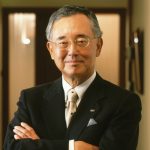
Our man in Tokyo
Four years after earning his UW M.B.A., Yoshihiko Miyauchi helped launch a Japanese corporation that is now worth $8 billion. Along the way, he became Japan's No. 1 advocate for deregulation — and the owner who nurtured Ichiro Suzuki's baseball career.
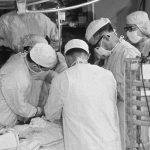
50 years for the heart
Fifty years ago, the UW perfected its own heart-lung machine and did the first open-heart bypass surgery in the West. Now advances are coming so quickly that they could put future cardiac surgeons out of business.

Spreading the word
When they start classes this month, more than 6,000 new UW students will already have something in common — they’ll all have read the same book about a remarkable doctor trying to bring 21st-century medicine to the poorest corners of the planet.

June 1, 2006
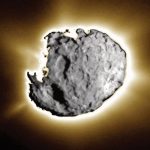
Gathering dust
The longest round trip in human history has brought back evidence that could yield clues to the origins of the solar system.
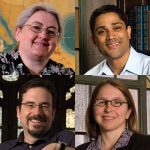
Magnificent 7
A great university has great teachers. This year, the UW honors seven instructors from three campuses who have touched the lives of thousands.
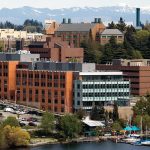
Combined forces
The UW's newest research faciIity brings together two of the 21st century's leading scientific fields in a setting that will spark fresh discoveries.
March 1, 2006
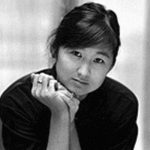
The mountain mover
From the Vietnam Veterans Memorial to her new topographical installations at the Henry, Maya Lin has permanently altered the landscape—and the way we look at it.