Medicine
September 1, 1995

Estrogen-cancer link disproved
Women who take estrogen or a combination of estrogen and progestin as hormone replacement therapy apparently do not face an increased risk of breast cancer.
June 1, 1995
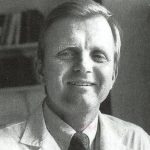
Below the belt
Work on male fertility and potency have also made the UW a national leader in advancing men's sexual health.
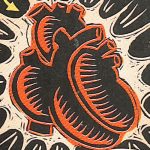
Meds raise risk
Calcium-channel blockers, widely prescribed to lower high blood pressure, may actually increase the risk of heart attack by as much as 60 percent.
March 1, 1995
Hope against Alzheimer's
Almost half of all Americans over 85 have Alzheimer's, but hope is on the horizon as UW research begins to break its secrets.
December 1, 1994

Binge drinking research
UW psychologists reduced the dangers of binge drinking in college students through specialized counseling.

New test for chlamydia
UW researchers have demonstrated new tests that can accurately detect the presence of chlamydia in a simple urine sample.
September 1, 1994
Freeze on cancer
Tumors in the prostate and liver have a new nemesis in the Pacific Northwest—a UW Medical Center machine that can freeze and destroy cancer cells.

SIDS research
UW medical student Michael Emery published the first experiment that links infant steroid hormones to breathing patterns during sleep.
June 1, 1994

Parkinson’s assist
Sport glasses that allow a viewer to watch TV while mowing the lawn may someday allow Parkinson's disease victims to walk at a normal pace.

Floss-free life?
Dental researchers at the UW reported that an experimental vaccine protects monkeys from gum disease.
Top-10 programs
Four UW graduate programs are in the top 10 in their respective fields, according to a U.S. News and World Report survey published March 21.
March 1, 1994
Angioplasty study
If you want to avoid heart bypass surgery, you may want to "bypass" a hospital that does low volume work in another heart procedure—coronary angioplasty.
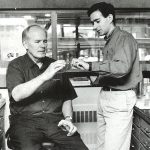
Life-saving research
Through their discoveries about yeast, researchers have already saved millions of lives.
December 1, 1993

Disarming diabetes
Diabetic complications affecting the eyes, kidneys and possibly the nerves and heart don't have to happen, say UW diabetes experts.
September 1, 1993

New look at nerves
A new imaging technique that lets physicians see nerves in the human body may be the solution to that chronic back pain you've been complaining about.
June 1, 1993
Turning cancer off
UW researchers have discovered a way to artificially make a cell cancerous and then reverse the process of unchecked cell growth.
December 1, 1992
UW lures Leroy Hood to help break the human genetic code
In a 15-year, $3-billion project, scientists are trying to map the chemical sequence of every gene in the human being, what they call the human genome.
September 1, 1992
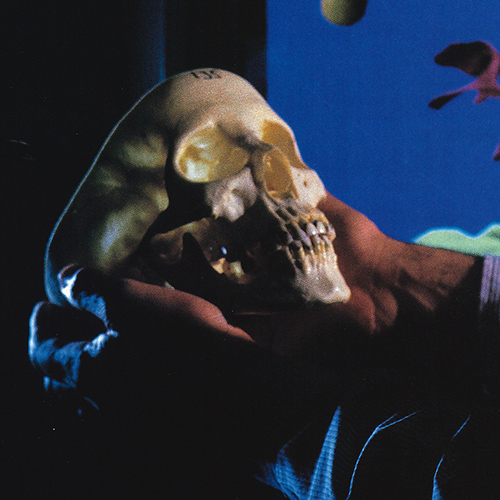
Mind over gray matter
Researchers at the University of Washington and around the nation are hoping to find the clues to how the brain makes us what we are.
March 1, 1992
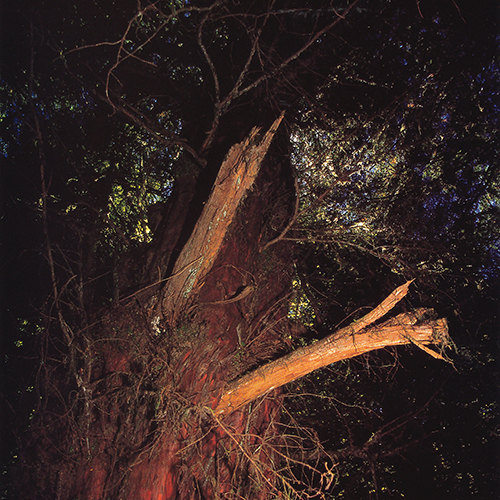
Tree of hope
Once seen as worthless, the Pacific Yew is the only natural source of taxol, a powerful cancer-fighting drug.
March 1, 1991
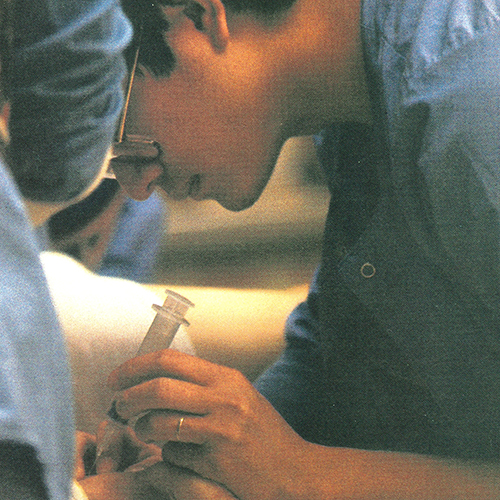
The accidental cure
New drugs and technologies that may offer a cure for multiple organ failure syndrome and related conditions.