Solutions
December 1, 2015
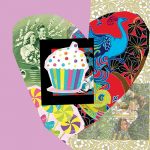
Sweet gratitude
Gratitude is universally considered a social good—the warm feeling that results from a kindness received. But it can have a dark side: It can impel us to eat more sweets, according to new research by Ann Schlosser, professor of marketing at the Foster School of Business.
Tech that knows
A new wearable technology developed at the UW called MagnifiSense can detect what devices and vehicles the user interacts with.
September 1, 2015

High volume
Recordings by current and former UW researchers in fjords show that melting at glacier edges in the narrow rock-edged canyons are some of the noisiest places in the sea.

Cellphone guilt
A new UW study finds that cellphone use at playgrounds is a significant source of parental guilt, as well as a powerful distraction when children try to get caregivers’ attention.
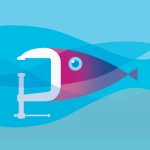
Cling like a fish
Scooting around in the shallow, coastal waters of Puget Sound is one of the world’s best suction cups. It’s called the Northern clingfish, and its small, finger-sized body uses suction forces to hold up to 150 times its own body weight.
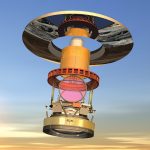
Space explorers
Fifty years is no time at all for a universe that dates back 13.8 billion. But for those who study the sky, the past five decades have changed everything.
June 1, 2015

Blood stancher
An injectable polymer could keep soldiers and trauma patients from bleeding to death.
Mindfulness
Whether it’s coping with college or taming an addiction, mindfulness has real medical and practical benefits, and it’s something UW researchers have been exploring for decades.
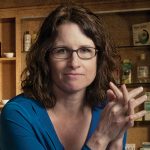
A startling find
Since she was a student in pharmacy school, Shelly Gray has felt a strong connection to the situation many elderly patients find themselves in: “I was struck by how many different medications older adults are taking, as well as their struggle with trying to keep those medications straight,” she recalls.
Hazy on the law
More than two years after Washington legalized marijuana, parents and teens may be hazy on the specifics of the law.
Leaves tell a story
Miniscule, fossilized pieces of plants could tell a detailed story of what the Earth looked like 50 million years ago.
March 1, 2015

Character: Janis Avery
Janis Avery has one mission in life: shoring up support for foster children so they can make the grade in school.
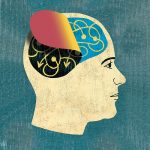
Brain discovery
A couple of years ago a scientist looking at dozens of MRI scans of human brains noticed something surprising: a large fiber pathway that seemed to be part of the network of connections that process visual information.
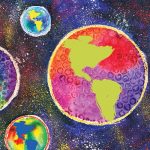
Mirage Earths
Planets orbiting close to low-mass stars—the most common stars in the universe—are prime targets in the search for extraterrestrial life. But new research led by an astronomy graduate student at the UW indicates some such planets may have long since lost their chance at hosting life.
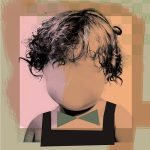
Baby face
It’s a game parents like to play: What will my child look like when she grows up? A computer could now answer the question in less than a minute.

Brain spotting
Football concussions get a lot of attention, but UW researchers want to know how a single brain injury can affect an ordinary person decades down the line.
December 1, 2014
Can't weight
Obesity-associated insulin resistance is a major risk factor for Type 2 diabetes. UW researchers are now looking at obesity and its interdependent relationship to the disease.
Clues from bird brains
Brain cells that multiply to help birds sing their best during breeding season are known to die back naturally later in the year. For the first time, researchers have described the series of events that cue new neuron growth each spring.
Phone training
Mobile phones have become second-nature for most people. What’s coming next, say UW researchers, is the ability to interact with our devices not just with touchscreens, but through gestures in the space around the phone.